
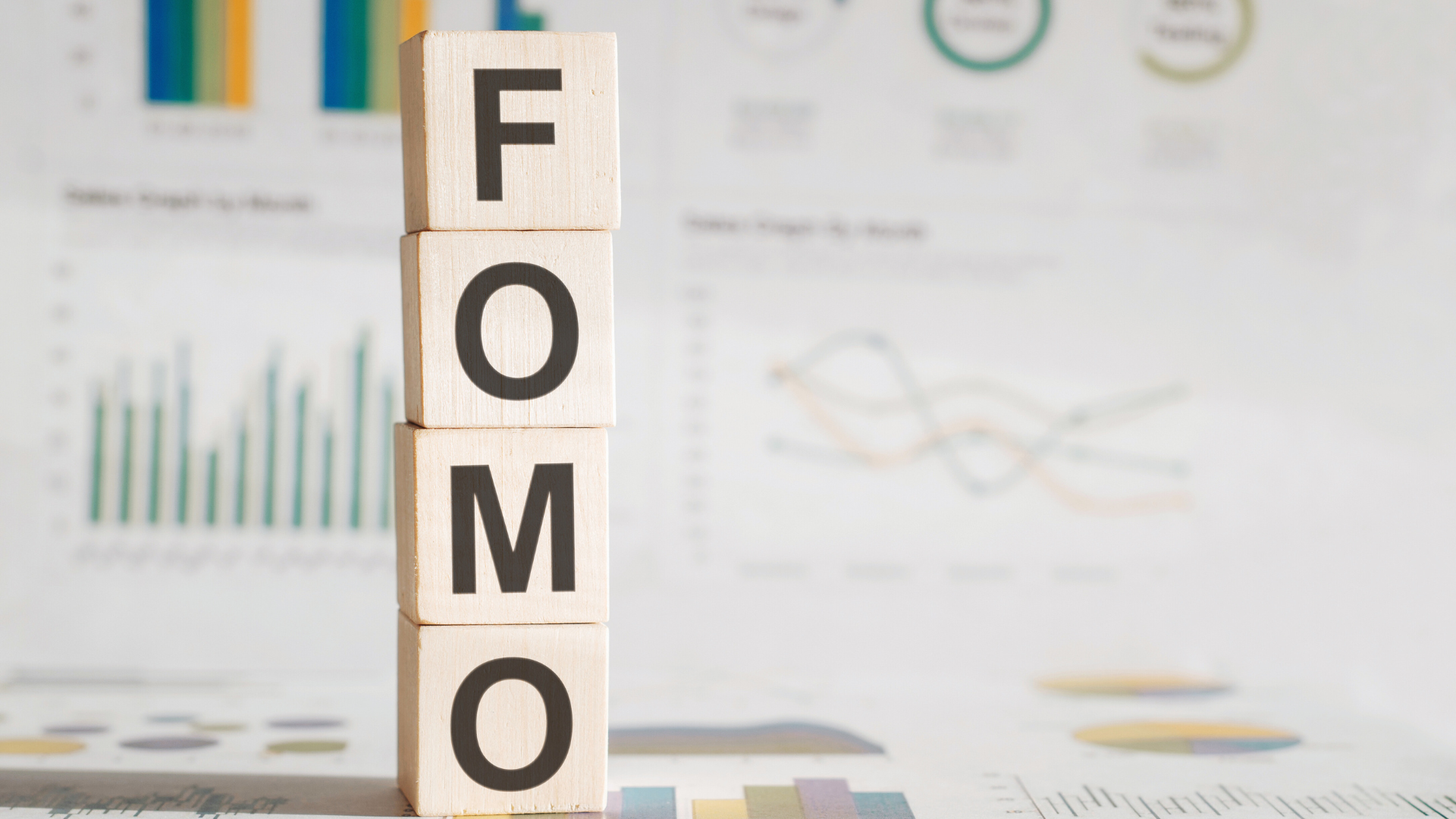
In today’s fast-paced digital landscape, fear of missing out (FOMO) has emerged as a compelling driver of consumer behaviour. Businesses can harness this psychological trigger to enhance their marketing strategies, creating a sense of urgency that prompts immediate action. By implementing FOMO marketing tactics, companies can effectively encourage potential customers to engage with their products or services before they miss out on exclusive offers or limited-time promotions.
Integrating FOMO into a marketing strategy involves highlighting scarcity and exclusivity. This can be achieved through limited availability, countdown timers, or special promotions only available for a short period. Engaging customers with this approach not only boost sales but also fosters a community where consumers feel part of something special.
Ultimately, recognising and leveraging the power of FOMO can create a competitive edge in a crowded market. By adopting these strategies, businesses can increase their visibility and drive consumer interest, leading to improved conversion rates and customer loyalty.
Understanding FOMO in Marketing
FOMO, or the fear of missing out, serves as a powerful psychological trigger in marketing. It taps into consumer behaviour, influencing decision-making by creating urgency and exclusivity in purchasing processes.
Psychological Foundations of FOMO
FOMO is rooted in humans’ innate desire for social connection and acceptance. Individuals experience anxiety when they believe others are having rewarding experiences without them.
This sensation can manifest when consumers perceive limited-time offers or exclusive access to products. Marketers harness this fear by crafting messages that emphasise scarcity, such as “Only a few left!” or “Limited time only!”
These tactics exploit the psychological trigger of desire. When shoppers feel they might miss out, they are more likely to act quickly, leading to impulsive purchases and increased engagement.
FOMO’s Role in Consumer Decision-Making
FOMO significantly impacts consumer decision-making by introducing a sense of urgency. When faced with limited availability, consumers may skip traditional deliberation processes.
For example, a promotion stating “Only 24 hours left!” can accelerate decisions, pushing individuals towards immediate action instead of prolonged consideration.
This phenomenon is often reflected in social media marketing. Influencers demonstrating exclusive events or products can amplify FOMO, influencing followers to follow suit.
By using strategies that amplify the fear of missing out, marketers can effectively guide consumers towards timely decisions, boosting sales and enhancing brand visibility.
Developing a FOMO Marketing Strategy
Crafting an effective FOMO marketing strategy involves utilising social proof, creating a sense of urgency, and leveraging social media. Each of these aspects can significantly drive customer engagement and loyalty.
Incorporating Social Proof and Urgency
Social proof serves as a powerful motivator in FOMO marketing. Showcasing testimonials, customer reviews, and user-generated content builds trust and encourages potential customers to make a purchase. When individuals see others enjoying a product or service, they feel more inclined to join in.
To further enhance this urgency, businesses can use limited-time offers alongside social proof. For example, phrases like “Only 5 left in stock!” create a compelling reason for customers to act quickly. Ensuring the visibility of past purchases or popular items can also reinforce this notion. Emphasising that many others are making a choice adds a layer of urgency, prompting quicker decision-making.
Creating Scarcity and Exclusivity
Scarcity and exclusivity are central to a FOMO strategy. By limiting the availability of products or services, brands can increase perceived value. Exclusive releases, such as limited edition items, create a rush among consumers who want to be part of a select group.
Communicating this scarcity can take many forms. For instance, countdown timers on websites signify the fleeting nature of offers. Additionally, businesses can highlight enrolment limits for workshops or memberships, reinforcing the idea that not everyone can gain access. This tactic not only drives immediate sales but also fosters brand loyalty as customers feel privileged to be part of an exclusive club.
Leveraging Social Media for FOMO
Social media platforms are essential for amplifying FOMO marketing. Brands can create engaging content that showcases real-time interactions, such as live events or online exclusives. Video content can be especially effective here, where professional videography Auckland services (or those from elsewhere) can make it easier to capture behind-the-scenes moments, event highlights, and product launches in a way that feels immediate and compelling to followers. Posting stories or highlighting behind-the-scenes moments can evoke excitement among followers.
Utilising user-generated content further strengthens this connection. Encouraging customers to share their experiences and tagging the brand reinforces community and social proof. Additionally, paid ads featuring limited-time offers can help reach a wider audience. Engaging posts that encourage reactions and shares can result in higher visibility, which is crucial for generating excitement and urgency around a product or service.
Fostering these elements increases brand loyalty and enhances customer relationships in a competitive market.
Practical Applications of FOMO
Implementing FOMO in marketing strategies can effectively drive consumer behaviour. By leveraging time-sensitive offers and creating a sense of urgency, businesses can enhance engagement and boost sales.
Effective Campaign Elements
Successful FOMO campaigns often include elements such as limited-time offers and exclusive deals that encourage immediate action. Flash sales, lasting only a few hours, create urgency, pushing customers to make impulsive purchases.
Incorporating countdown timers on product pages highlights time constraints, further motivating consumers. Notifications of low stock or upcoming sales can also prompt faster decision-making.
Including testimonials enhances credibility, reassuring potential buyers that they are making a wise choice. Collaborating with influencers can amplify reach, as their endorsements may create additional urgency and desirability.
Real-World Examples and Success Stories
Numerous brands effectively utilise FOMO in their marketing. For instance, a well-known fashion retailer launched a flash sale with a countdown timer on social media, resulting in a 30% increase in conversion rates. The promotion featured influencers showcasing trending items while emphasising limited availability.
Another case study involved an online subscription service offering a discounted rate for the first 100 sign-ups. The urgency created a significant buzz, leading to substantial growth in subscriber numbers.
These examples illustrate how FOMO can be integrated into various marketing campaigns, driving engagement and sales through urgency and exclusivity.
Measuring FOMO Marketing Success
Assessing the effectiveness of FOMO marketing involves analysing specific metrics that correlate with conversions and customer engagement. Understanding these metrics enables marketers to refine their strategies for better outcomes.
Conversion Rates and Sales Metrics
Conversion rates are crucial indicators of FOMO marketing success. By tracking the percentage of visitors who make a purchase after exposure to FOMO-driven campaigns, marketers can measure the direct impact on sales.
Using analytics tools, businesses should monitor key metrics, such as:
- Conversion Rate: The ratio of customers who completed a purchase.
- Average Order Value (AOV): The average amount spent per order.
Incorporating urgency in marketing messages can amplify these metrics. For instance, limited-time offers and exclusive releases can drive immediate purchases, leading to a notable increase in total sales.
Customer Feedback and Engagement Analysis
Customer feedback plays a vital role in gauging the impact of FOMO strategies. Gathering reviews can provide insights into how consumers perceive urgency and exclusivity.
Methods to collect feedback include:
- Surveys: Direct questions regarding the buying experience influenced by FOMO.
- Social Media Engagement: Observing comments and interactions related to urgency-driven posts.
Analysing engagement data helps marketers understand customer sentiment. High engagement often correlates with effective FOMO strategies, indicating that customers appreciate the urgency. This feedback can refine future marketing messages for improved effectiveness.






Leave A Comment