
Technology Matters

Home/Main Blog/Technology Matters

How Businesses Can Adapt to Rapid Technological Change for Long-Term Success

Businesses facing rapid technological change must prioritise agility and continuous learning to remain competitive. Adapting requires embracing new tools quickly, investing in employee training, and fostering a culture open to innovation.

They need to monitor emerging trends closely and be ready to adjust strategies without delay. Companies that integrate technology thoughtfully while balancing operational stability are more likely to succeed.

Understanding customer needs and leveraging data for informed decisions also play a key role. This approach helps businesses stay relevant and responsive as technology evolves.

Understanding the Impact of Rapid Technological Change

Rapid technological change reshapes industries by introducing new tools and processes that can alter business models and operations. Companies must recognise both the opportunities and risks involved in keeping pace with innovation.

Key Drivers of Technological Advancements

Several factors accelerate technological progress. Increased investment in research and development (R&D) fuels breakthroughs in fields like artificial intelligence, biotechnology, and renewable energy.

Global connectivity also facilitates faster knowledge sharing. Cloud computing and open-source platforms enable developers worldwide to collaborate and innovate more rapidly than before.

Consumer demand pushes companies to adopt new technology. Customers expect faster, more personalised services, driving businesses to integrate digital tools and automation to meet these needs.

Challenges Presented by New Technologies

Adopting new technologies can strain resources and expertise. Employees may require upskilling, and legacy systems might need costly upgrades or replacement.

Security risks also rise with the use of complex digital tools. Cyber threats demand robust protection measures, increasing operational costs and complexity.

Additionally, rapid change can create uncertainty in strategy and markets. Companies must adjust quickly or risk losing a competitive advantage to more agile rivals.

Potential Benefits for Businesses

Businesses that harness technological advancements often see improved efficiency and productivity. Automation reduces manual tasks, allowing staff to focus on higher-value work.

New technologies can open markets and enable innovative products or services. For example, data analytics helps companies understand customer behaviour, improving decision-making and marketing.

Technology trends also support better customer experiences. Online platforms, AI-powered chatbots, and personalised content boost engagement and satisfaction, driving growth.

Strategic Approaches to Adapting Technology

Businesses must focus on aligning new technology with core objectives, carefully evaluate the value of investments, and manage implementation to minimise disruption. These targeted strategies enable effective decision-making and maximise returns.

Aligning Technology with Business Goals

Adapting technology starts with a clear understanding of business goals. Companies should identify which technologies directly support key priorities such as increasing efficiency, improving customer experience, or expanding into new markets.

It is essential to map technology initiatives to specific outcomes. For example, automating routine tasks may reduce operational costs, while adopting data analytics could enhance strategic planning. Alignment prevents wasted resources on technology that does not drive measurable progress.

Regular reviews of business goals alongside technological trends help maintain relevance. Collaboration between IT and business units ensures technology decisions consistently support overarching objectives, strengthening decision-making processes.

Evaluating Technology Investment

Effective technology investment requires rigorous evaluation of costs, benefits, and risks. Businesses should conduct cost-benefit analyses that include upfront expenses, ongoing maintenance, and potential impacts on productivity.

Investment decisions must consider scalability and flexibility. Technologies that adapt to future needs reduce the risk of obsolescence and additional costs.

Decision-making tools such as scoring matrices or ROI calculators can help prioritise investments. Including cross-functional input ensures diverse perspectives on technology’s strategic value.

Risk assessment should address cybersecurity, vendor stability, and integration complexity. Balancing innovation with risk management increases the chance of successful technology adoption.

Managing Implementation and Integration

Careful planning is critical during technology implementation to minimise operational disruption. Companies should establish clear timelines, milestones, and responsibilities at the outset.

Integration with existing systems requires detailed technical evaluations. Ensuring compatibility prevents data silos and workflow interruptions.

Training employees on new technology is vital for adoption and productivity. Providing ongoing support addresses issues quickly and maintains momentum.

Monitoring performance after implementation allows businesses to measure success against initial goals. Adjustments based on feedback help refine processes and align technology more closely with business needs.

Fostering a Culture of Continuous Learning and Innovation

Adaptation to rapid technological change requires deliberate strategies that promote ongoing skill development and creative problem-solving. This approach involves proactive learning, an environment that supports new ideas, and mechanisms to help employees adjust efficiently.

Encouraging Continuous Learning

Businesses should embed continuous learning into everyday work. This includes regular training sessions, access to e-learning platforms, and time allocated for skill development.

Leaders can set examples by participating in training themselves and recognising employees who upgrade their skills. Using learning management systems (LMS) enables tracking progress and tailoring content to individual needs.

Offering incentives like certifications or career progression linked to learning can increase engagement. Continuous learning prepares workers for current challenges and future roles, reducing skill gaps in fast-changing industries.

Building a Culture of Innovation

Creating a culture of innovation means encouraging employees to generate and test new ideas without fear of failure. Organisations can implement innovation labs, hackathons, and idea-sharing platforms to foster collaboration and creativity.

Management should reward innovative initiatives and integrate innovation goals into performance reviews. Transparent communication about the value of experimentation helps employees feel supported.

Companies often assign cross-functional teams to combine diverse perspectives, which improves problem-solving. A clear process for turning ideas into projects ensures innovation is practical and measurable.

Supporting Employee Adaptability

Supporting adaptability involves helping employees respond quickly and confidently to technological shifts. Training should not only teach new tools but also build skills in critical thinking and resilience.

Employers might offer coaching, mentoring, and regular feedback sessions to guide employees through transitions. Providing flexible work arrangements can ease stress during change periods.

Organisations should also create contingency plans that allow for rapid role adjustments and task reallocations. Adaptable employees maintain productivity and contribute to the company’s ability to stay competitive.

Leveraging Automation and Artificial Intelligence for Business Growth

Businesses that embrace automation and artificial intelligence (AI) can streamline operations, reduce costs, and improve decision-making. These technologies offer scalable solutions that adapt to changing demands while enhancing engagement with customers through personalised experiences.

Integrating Automation into Operations

Automation focuses on replacing repetitive, manual tasks with technology to improve efficiency. It often begins with processes like inventory management, invoicing, or scheduling. By automating these, businesses reduce human error and free staff for higher-value activities.

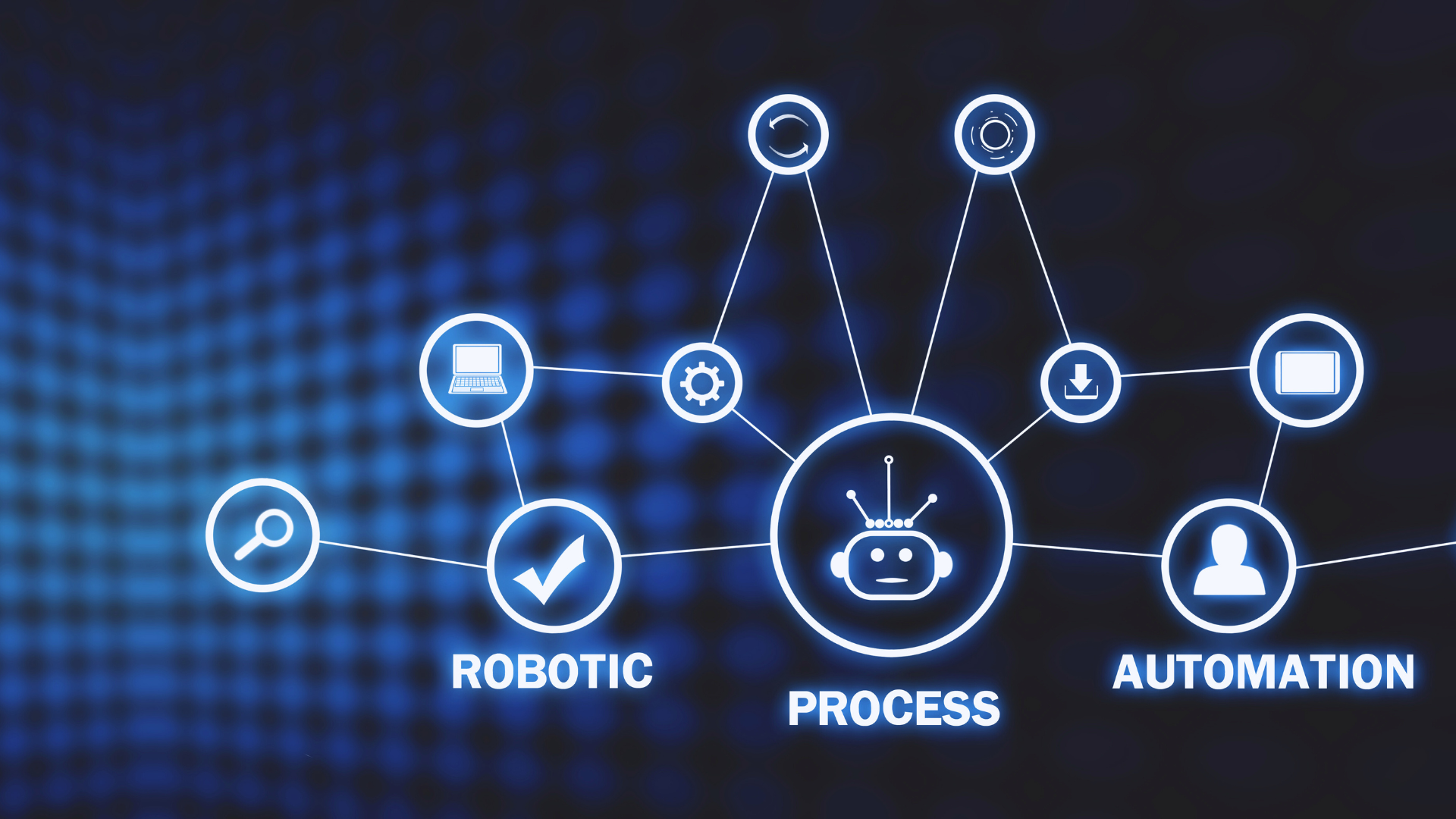
Robotic process automation (RPA) tools can handle data entry or report generation, saving time and cutting operational costs. Successful integration involves mapping workflows carefully and selecting automation tools compatible with existing systems to ensure smooth deployment.

Automation also supports compliance by standardising procedures and maintaining logs for audits. This reduces risks while helping companies scale operations without proportionally increasing headcount.

Adopting Artificial Intelligence Solutions

AI enables businesses to analyse large datasets for trends, forecasts, and actionable insights. Machine learning models can predict customer behaviour, optimise supply chains, or detect fraud in real time.

Implementing AI requires clear objectives and data readiness. Companies should prioritise use cases that offer measurable returns, such as demand forecasting or predictive maintenance. Selecting AI platforms with user-friendly interfaces can accelerate adoption without relying heavily on specialised staff.

Ongoing monitoring of AI outputs ensures decisions remain accurate and unbiased. Combining AI with human expertise enhances trust and drives better business outcomes.

Enhancing Customer Experience Through Technology

Improving customer experience (CX) is a core benefit of AI and automation. Chatbots powered by AI provide 24/7 support, handling routine queries quickly and freeing human agents for complex issues.

Personalisation engines analyse customer data to offer tailored recommendations, boosting satisfaction and sales. Automated feedback collection enables companies to respond promptly to concerns.

Technology also supports multichannel engagement, allowing seamless communication via social media, email, or apps. Businesses that leverage these tools gain a competitive edge by delivering faster, more relevant customer interactions.


By |2025-09-30T17:57:54+00:00June 9, 2026|Business Talks, Technology Matters|0 Comments

How AI Is Supporting Agricultural Efficiency and Yield Through Precision Farming Techniques

Artificial intelligence is transforming agriculture by making processes more efficient and increasing crop yields. Through AI-powered tools, farmers can monitor soil health, predict weather patterns, and optimise irrigation with greater accuracy. AI helps reduce waste and improve resource management, directly supporting higher productivity in farming.

These advancements enable farmers to make informed decisions faster, reducing guesswork and manual labour. Technologies like drone surveillance and automated machinery contribute to better crop monitoring and timely interventions.

By integrating AI into agricultural practices, the sector benefits from innovation that meets the rising demand for food in a sustainable way. This combination of agriculture and artificial intelligence offers practical solutions to longstanding challenges.

AI-Driven Reforms in Agricultural Productivity

Advances in AI technologies have transformed how farms optimise resources and manage crops. These improvements support higher crop yields, efficient resource use, and more precise decision-making to empower farmers economically and environmentally.

Precision Agriculture Technologies

Precision agriculture uses AI-based technologies to gather and analyse field data for customised farming practices. Machine learning models process satellite imagery, soil sensors, and weather data to guide variable rate applications of water, fertilisers, and pesticides.

This reduces waste, minimises environmental impact, and improves crop health by targeting specific field zones. Smart farming tools, such as drones equipped with deep learning algorithms, monitor plant health in real time, enabling early detection of diseases or nutrient deficiencies.

The integration of decision support systems (DSS) allows farmers to make data-driven choices, which enhances resource allocation and overall field productivity with minimal manual effort.

AI-Powered Crop Yield Forecasting

AI-powered crop yield forecasting employs ML algorithms to analyse historical and real-time agricultural data. These systems predict expected harvest volumes by considering weather patterns, soil quality, planting schedules, and crop conditions.

Such forecasts enable farmers and agribusinesses to optimise supply chains and adjust strategies proactively. They also reduce economic uncertainty by helping farmers plan sales, storage, and resource investments based on predicted output.

Deep learning enhances forecasting accuracy by recognising complex interactions in the data, offering significantly improved yield predictions compared to traditional statistical methods.

Automation and Resource Efficiency

Automation driven by AI in agriculture includes robotic machinery and smart irrigation systems that execute field tasks with precision. These technologies reduce labour costs and improve operational efficiency by working continuously under variable conditions.

AI algorithms coordinate machinery movements and resource delivery, optimising fuel, water, and nutrient usage. For example, autonomous tractors use AI-powered sensors and GPS to perform planting or harvesting with minimal overlap or soil compaction.

Increased automation supports sustainable farming by conserving resources and lowering input expenses while maintaining consistent crop yields, which contributes positively to economic stability in agricultural sectors.

Innovative Applications for Enhancing Yield and Sustainability

AI technologies allow farmers to detect problems early, manage resources efficiently, and improve crop genetics. These advancements focus on precise data collection and analysis, leading to reduced waste and higher productivity.

Early Crop Disease and Pest Detection

AI models, especially convolutional neural networks (CNNs), support early crop disease detection through image-based classification. Farmers and agronomists use drones and smartphones equipped with cameras to capture plant images.

These AI systems analyse leaf patterns and colour changes to identify diseases like fungal infections or pest infestations before symptoms become severe. The integration of long short-term memory (LSTM) networks helps predictive modelling by considering environmental factors over time.

Early intervention reduces crop loss and lowers pesticide usage, improving sustainability. This automated detection outperforms manual scouting in speed and accuracy, ensuring timely pest control and disease management.

Smart Irrigation and Soil Monitoring

AI-driven smart irrigation systems rely on IoT sensors to provide real-time soil moisture data. Soil sensors continuously assess soil health, temperature, and moisture, enabling precision irrigation that adjusts water delivery based on actual need.

Integration with weather forecasts allows predictive watering schedules, reducing water waste during droughts or heavy rains. This combination limits over-irrigation, saving water and preventing crop stress caused by fluctuating soil conditions.

These systems use machine learning algorithms to optimise water use, adapting to climate change impacts. The result is improved crop yield, healthier plants, and increased resource efficiency.

Targeted Fertilisation and Spraying

AI enables targeted fertilisation by analysing soil nutrient levels and crop requirements through sensor data and satellite imagery. Farmers apply fertilisers precisely where needed, avoiding uniform distribution.

Machine learning models predict nutrient deficiencies and calculate optimal dosages for different field sections. This approach reduces chemical runoff and environmental impact while improving crop nutrition.

Similarly, AI-guided spraying treatments use drones and ground robots to apply pesticides only on affected plants, enhancing pest control efficiency. These methods reduce input costs and promote sustainable farming practices by minimising unnecessary chemical use.

AI in Plant Breeding and Genetic Improvement

AI accelerates plant breeding by analysing large datasets from genotyping and phenotyping. Algorithms like artificial neural networks (ANN) identify desirable traits linked to yield, disease resistance, and climate adaptability.

Predictive models evaluate hybrid combinations faster than traditional methods, saving years in crop improvement cycles. This supports breeding crops that withstand climate-related stresses such as droughts or pests.

AI tools also facilitate genome editing decisions and help breeders prioritise genetic traits for future cultivation. This targeted approach increases crop performance and sustainability in diverse environments.

AI Accessibility, Smallholder Support, and Sustainable Practices

AI tools are increasingly tailored to meet the specific needs of smallholder farmers, balancing food security goals with environmental concerns. Access to affordable technologies and reliable data is critical for effective and sustainable agricultural decisions.

Empowering Small-Scale and Smallholder Farmers

AI-driven platforms provide smallholder farmers with real-time crop monitoring, pest detection, and weather forecasting. Such tools help optimise input use, reducing costs and improving yields.

Mobile apps tailored for low-literacy users allow easier adoption and decision-making support. This improves food security in regions where small-scale farming is predominant.

Affordable sensors and drones also enable farmers to analyse soil health and plant conditions at the field level. These technologies increase productivity but require access to reliable infrastructure and training.

Sustainable Farming Through AI

AI improves sustainability by promoting precision agriculture, which limits excessive fertiliser and pesticide use. This reduces environmental damage and conserves resources.

Machine learning models assess long-term soil health and water use, helping farmers adopt crop rotations and cover cropping. These practices enhance soil fertility while supporting biodiversity.

AI systems can forecast climate impacts, encouraging farmers to adjust planting times and crop varieties. This adaptation supports sustainable farming practices aligned with environmental changes.

Challenges of Data Quality and Privacy

Accurate AI predictions depend on high-quality, localised data, which is often lacking in smallholder contexts. Poor data can lead to ineffective recommendations and increased risks.

Data privacy is a concern as farmers share sensitive information on farm inputs and production. Without clear regulations, there is potential for misuse or exploitation.

Ensuring transparency and control over data use is critical to building trust among smallholder communities. Efforts must balance data collection needs with farmers’ rights to privacy.

By |2025-09-29T06:29:13+00:00May 12, 2026|Technology Matters|0 Comments

How AI Is Reshaping the Global Workforce: Transforming Roles and Driving Efficiency Worldwide

The global workforce is undergoing significant changes as artificial intelligence (AI) continues to advance. Automation and AI-driven tools are transforming how tasks are performed, shifting the skills required from workers and influencing employment patterns across sectors.

AI is reshaping the workforce by automating routine tasks, creating new job categories, and demanding a shift in human skills toward more analytical and creative roles. Companies are increasingly integrating AI to optimise productivity, which in turn affects both job availability and the nature of work itself.

This technological shift requires governments, businesses, and employees to adapt rapidly to stay competitive. Understanding how AI impacts jobs worldwide is crucial for preparing the workforce of the future.

Key Ways AI Is Transforming the Global Workforce

Artificial intelligence is altering how work is structured, improving output, and enabling digital advances in companies worldwide. These changes affect roles, workflows, and organisational strategies in multiple sectors.

Automation and Job Redefinition

AI automates repetitive and data-intensive tasks, reducing the need for manual input in areas like manufacturing, customer service, and data analysis. This shift allows employees to focus on complex, creative, or strategic work.

Job roles are being redefined, with new hybrid positions emerging that require a mix of technical and interpersonal skills. Workers often need to adapt by gaining competencies in AI tools and data literacy. This transition can reshape hiring practices and workforce planning across industries.

Enhancing Productivity and Efficiency

AI-driven tools improve productivity by optimising workflows, enabling faster decision-making, and minimising errors. For example, AI systems analyse large datasets in seconds, offering insights that inform business strategies and operations.

Efficiency gains also come from AI-powered applications like chatbots, virtual assistants, and predictive maintenance. These applications reduce downtime and streamline communication, cutting operational costs and improving output quality.

Driving Digital Transformation in Organisations

Artificial intelligence is central to digital transformation initiatives, helping organisations modernise legacy systems and innovate service delivery. AI innovations accelerate the adoption of cloud computing, automation platforms, and advanced analytics.

Leadership increasingly integrates AI into business models, fostering an agile culture and supporting data-driven decision-making. Organisations investing in AI capabilities gain competitive advantages by adapting quickly to market changes and customer demands.

AI’s Sector-Specific Impact on Global Employment

Artificial intelligence is transforming industries by automating tasks and enhancing decision-making. This shift is not uniform; some sectors experience substantial job changes, while others see improved efficiency with human-AI collaboration.

Healthcare: Improving Diagnostics and Patient Care

AI-driven tools analyse medical images and patient data with greater speed and accuracy than traditional methods. This improves diagnostics, leading to earlier detection of diseases such as cancer and cardiovascular conditions.

Healthcare professionals are supported by AI in personalised treatment plans. For instance, machine learning models predict patient responses, aiding doctors in selecting effective therapies.

While some routine roles face automation, AI creates demand for new jobs in health data analysis, AI system management, and digital health services. This fosters a blend of clinical expertise and tech skills in the workforce.

Financial Services: Streamlining Operations

In financial services, AI automates repetitive tasks like transaction processing and fraud detection. Algorithms swiftly identify suspicious activities, reducing human error and cutting operational costs.

AI innovation drives predictive analytics for risk assessment and personalised customer services. Chatbots and robo-advisors handle queries and investment advice, reshaping client interactions.

This transformation shifts employment towards roles requiring AI oversight, compliance understanding, and algorithm development. Workforce retraining is crucial as manual tasks decline but tech-driven functions expand.

Transportation: Advancing Logistics and Mobility

AI optimises route planning and fleet management, leading to more efficient supply chains. Autonomous vehicle technology progresses, with real-world applications in delivery and public transport testing.

These advances increase demand for AI engineers, data specialists, and maintenance technicians skilled in automated systems. Traditional driver roles evolve due to partial automation and increased safety monitoring.

Digital transformation in transportation reduces costs and carbon footprints but requires workers to adapt to new technologies while maintaining safety and regulatory standards.

Navigating Workforce Challenges in the Age of AI

Organisations face significant shifts in skill demands, workplace culture, and ethical frameworks driven by AI innovation and digital transformation. Addressing these challenges requires targeted strategies around training, change management, and responsible AI use.

Skills Development and Upskilling

AI integration calls for continual skills development, with emphasis on both technical and non-technical capabilities. Employees require proficiency in data literacy, machine learning basics, and digital tools to complement AI systems.

Upskilling programmes must be tailored, combining online courses, hands-on projects, and cross-disciplinary training to bridge knowledge gaps effectively. Companies prioritise reskilling frontline workers and managers to ensure smooth digital transformation.

Governments and private sectors collaborate widely to fund initiatives that improve AI-related competencies, focusing on future-proof skills like critical thinking and adaptability. This transformation reduces the risk of job displacement and promotes workforce resilience.

Workplace Adaptation and Change Management

Successful AI adoption depends on managing workforce transitions through clear communication and inclusive leadership. Employees often face uncertainty; transparent strategies alleviate fears around job security and role changes.

Organisations embrace agile workflows, integrating AI tools to optimise productivity and reduce repetitive tasks. Training leaders to support cultural shifts fosters acceptance and encourages continuous learning.

Change management programmes incorporate feedback loops and pilot projects to adjust implementations dynamically. Investment in user-friendly AI interfaces helps employees engage confidently with new technologies, smoothing adaptation.

Ethical Considerations and Responsible AI Adoption

Ethical AI deployment is critical to maintaining trust and avoiding bias in automated decisions affecting the workforce. Companies develop guidelines that ensure transparency, fairness, and accountability in AI applications.

Data privacy remains a top priority, with strict measures to secure employee information and prevent misuse. Organisations also establish oversight committees to monitor AI impacts and uphold labour rights.

Responsible AI adoption requires alignment with legal standards and continuous ethical review. This prevents discrimination and supports equitable opportunities, reinforcing corporate social responsibility amid rapid AI innovation.

By |2025-09-29T06:25:34+00:00April 14, 2026|Technology Matters|0 Comments

Why Facial Recognition Technology is Revolutionary: Transforming Security and Personalisation

Facial recognition technology has emerged as a transformative force in various sectors, reshaping how individuals and organisations interact with identity verification and security. This technology enhances efficiency and accuracy, providing a reliable method of identifying individuals in real time. As it becomes increasingly integrated into everyday applications, from smartphones to law enforcement, its impact is felt across personal, commercial, and public domains.

Innovations in artificial intelligence have paved the way for more sophisticated facial recognition systems, allowing for rapid and accurate identification. These advancements have revolutionised security measures, leading to improved safety in public spaces and streamlined processes in businesses, such as customer service and access control.

The potential of facial recognition technology extends beyond mere convenience. It presents opportunities for enhanced user experiences and efficient data management, making it a pivotal development in the digital age. This evolution raises important discussions about privacy, ethics, and the future of identity verification as society adapts to these significant changes.

Advancements in Facial Recognition Technology

Recent innovations have transformed facial recognition technology into a precise and efficient tool. Key advancements involve artificial intelligence, deep learning, and substantial improvements in accuracy and speed.

The Role of Artificial Intelligence

Artificial intelligence drives the evolution of facial recognition systems. It enables these systems to learn from vast datasets, refining their ability to identify and authenticate individuals. AI’s machine learning algorithms analyse facial features, enhancing detection rates even in varied lighting or angles.

As a result, facial recognition systems exhibit improved adaptability. They quickly evolve by training on new data, reducing the error rate in identification tasks. Leading companies often collaborate with research organisations to leverage advanced AI techniques, ensuring that their algorithms remain competitive and efficient.

Deep Learning and Neural Networks

Deep learning, a subset of machine learning, plays a pivotal role in enhancing facial recognition capabilities. Neural networks, particularly convolutional neural networks (CNNs), process images in layers, extracting intricate features from faces. This multi-layer approach allows systems to discern subtle differences that traditional algorithms might overlook.

Neural networks have led to significant improvements in accuracy scores. According to the National Institute of Standards and Technology (NIST), modern systems demonstrate error rates lower than 1%. This leap in performance enables applications in security, banking, and personal devices, making facial recognition a robust solution across various sectors.

Accuracy and Speed Improvements

Advancements have led to remarkable increases in both the accuracy and speed of facial recognition technology. Algorithms are now capable of processing thousands of images per second while maintaining high identification accuracy. This efficiency is vital for real-time applications, such as surveillance and access control.

Statistically, contemporary systems achieve a record high in accuracy scores, with some reporting performance levels exceeding 99%. Continuous optimisation of algorithms helps minimise processing time and error rates, making these systems more reliable for everyday use. As technology progresses, further improvements in both dimensions are anticipated, expanding the potential applications of facial recognition technology further.

Applications and Use Cases

Facial recognition technology has a wide array of applications across different sectors, enhancing security and operational efficiency. Its use cases include maintaining safety in law enforcement, improving customer experiences in retail, facilitating access control in transport, and supporting healthcare efforts, especially during pandemics.

Security and Law Enforcement

In security and law enforcement, facial recognition is instrumental in identifying suspects and solving crimes. Police agencies utilise this technology to analyse CCTV footage from public spaces, improving response times to incidents.

Biometric data is stored in databases, allowing officers to match faces from crime scenes with known offenders. This capability enhances investigative efficiency and reduces the time needed for identity verification, crucial in emergency situations. The technology also aids in locating missing persons by comparing images with data from recognised individuals.

Commercial and Retail Integration

In the retail sector, facial recognition enhances customer identification and personalisation. Stores employ this technology to track customer behaviour, enabling tailored marketing strategies and improved inventory management.

By recognising repeat customers, retailers can provide personalised offers and streamline service. This technology can also assist with fraud prevention by flagging suspicious activities at checkouts or in-store, reinforcing security measures. With enhanced customer data, retailers enjoy better compliance with regulations while ensuring privacy.

This is especially true for online merchants and service providers that must restrict access to minor users. Many businesses now use digital age verification solutions to confirm the age of their customers before they complete a purchase. These systems often combine facial analysis with document checks to make the process quick and secure. This approach helps companies meet strict legal requirements without creating too much friction for legitimate buyers. By using these tools, platforms can protect children and avoid heavy fines.

Transport and Access Control

Facial recognition plays a significant role in transport and access control systems. Airports use this technology to expedite passenger processing at security checkpoints and boarding gates.

The automated verification process reduces the time taken for identity checks. This efficiency is particularly important in managing large crowds effectively. Additionally, transport authorities utilise facial recognition for tracking attendance and enhancing security at rail and bus stations, thereby improving passenger experiences while ensuring safety.

Healthcare and Pandemic Response

During health crises, such as the COVID-19 pandemic, facial recognition has been adapted for temperature screening and health monitoring. Facilities integrate this technology to identify individuals at risk and enforce health protocols.

It serves as an effective tool for contact tracing by recognising individuals who have come into contact with confirmed cases. In healthcare settings, the technology aids in patient identification, reducing human error in records management. Enhanced security in hospitals helps protect sensitive biometric data while ensuring compliance with health regulations.

Privacy and Ethical Implications

Facial recognition technology raises significant concerns regarding individual privacy, biases, and the need for legal frameworks. It is essential to examine these elements to understand the broader impact of this technology on society.

Protecting Individual Privacy

Privacy concerns surrounding facial recognition technology are paramount. Individuals often lack awareness about how their data, including faceprints, are collected and utilised. Without proper consent, the use of this biometric data can infringe on personal rights.

Government and commercial entities may employ surveillance systems that record and analyse individuals’ images without their knowledge. This can lead to a significant erosion of civil liberties and trust in public and private institutions. Ensuring robust data privacy measures is critical to safeguard individuals from potential exploitation.

Addressing Bias and Discrimination

The issue of bias in facial recognition systems is notable. Research indicates that these technologies can disproportionately misidentify individuals from certain demographic groups. For instance, studies have highlighted higher rates of false positives for women and people of colour.

Such biases pose ethical concerns, as misidentification can lead to wrongful accusations or discrimination. Understanding and addressing these biases is crucial for ethical deployment. Developers must prioritise inclusivity when creating algorithms to ensure equitable treatment for all individuals.

Legal and Regulatory Frameworks

The legal landscape surrounding facial recognition technology is evolving. Governments worldwide are beginning to establish regulations aimed at protecting individual privacy. These frameworks need to address issues such as consent, data storage, and usage limitations.

Incorporating strict guidelines for the ethical use of facial recognition in payment systems and security applications is vital. This includes ensuring transparency regarding data collection and processing. Effective regulation can help mitigate risks associated with misidentification and potential misuse of technology.

By |2026-07-29T08:26:06+00:00October 28, 2025|Technology Matters|0 Comments

The Biggest Cybersecurity Threats of 2025 and How to Prepare for Them

As 2025 unfolds, the cybersecurity landscape continues to evolve, revealing new and complex threats that demand attention. The biggest cybersecurity threats of 2025 include sophisticated ransomware attacks, insider threats, and vulnerabilities associated with the expansion of the Internet of Things (IoT). These emerging threats pose significant risks to individuals and organisations, highlighting the necessity for robust cybersecurity measures.

Increased reliance on digital platforms has made organisations more susceptible to cyberattacks. Ransomware actors are becoming increasingly adept at exploiting system weaknesses, while insider threats, whether malicious or inadvertent, can jeopardise sensitive information. As businesses adapt to a more digitised environment, staying informed about these challenges is crucial for safeguarding data. To navigate such an expanding threat landscape, businesses can benefit from partnering with comprehensive cybersecurity providers like Maple Woods Enterprises, whose expertise can span regulatory compliance, threat detection, and infrastructure resilience.

The ongoing transformation of the cyber threat landscape brings numerous complexities. Awareness of current and potential threats, alongside proactive strategies, is essential in mitigating risks and ensuring a secure digital future. Understanding these dynamics will empower stakeholders to make informed decisions in bolstering their cybersecurity frameworks.

Current Cyber Threat Landscape

The evolving cybersecurity landscape in 2025 presents several pressing challenges. Innovations like AI and generative AI have transformed attack methodologies. Ransomware continues to evolve, while the vulnerabilities of IoT devices present additional risks. Geopolitical tensions further exacerbate the situation, leading to increased cyber espionage activities.

Proliferation of AI and Generative AI in Cyber Attacks

Artificial intelligence is increasingly integrated into cyber-attacks. Attackers leverage AI to create more sophisticated phishing emails, making them harder to detect. Generative AI tools can automate processes, enabling the rapid creation of malware tailored to breach specific security systems.

The ability of AI to analyse vast amounts of data also facilitates targeted attacks. Cybercriminals can exploit personal data to enhance their strategies, leading to higher success rates. The use of AI in cyber operations represents a significant shift, complicating traditional defence mechanisms.

The Surge of Ransomware 3.0 and RAAS

Ransomware continues to evolve, now characterised by Ransomware 3.0. This latest iteration employs tactics such as double extortion, where attackers steal data before encrypting it. Victims face threats of data exposure if ransom demands are not met.

Ransomware-as-a-service (RaaS) platforms lower the barrier to entry into cybercrime. Individuals with limited technical skills can launch sophisticated attacks using these services. The proliferation of RaaS contributes to an increase in ransomware incidents, posing serious risks to businesses and individuals alike.

IoT Vulnerabilities and Exploits

The rise of IoT devices creates new attack vectors for cybercriminals. Many IoT devices lack robust security features, making them susceptible to breaches. Hackers often exploit these vulnerabilities to gain unauthorised access to networks.

The interconnected nature of IoT ecosystems amplifies the impact of such attacks. A single compromised device can lead to widespread network infiltration. Consequently, securing IoT devices has become a critical concern for organisations aiming to protect sensitive data.

Geopolitical Tensions Fueling Cyber Espionage

Geopolitical issues are increasingly linked to cyber espionage. Nation-states engage in cyber operations to gather intelligence and disrupt adversaries. This trend often leads to targeted attacks against critical infrastructure and government agencies.

The motivations behind these cyber activities vary, from political leverage to economic gain. As tensions rise between nations, the likelihood of state-sponsored cyber attacks increases. Such threats not only impact national security but also have far-reaching effects on global stability. Because of these threats, increasing government cybersecurity measures has become a priority. By investing in strong cybersecurity methods, nations can protect their sensitive information while maintaining security in this interconnected world.

Sophistication of Cybercriminal Tactics

The landscape of cybercrime is evolving. Cybercriminals are employing more advanced techniques that challenge traditional security measures. Key threats include the evolution of phishing techniques, the rise of advanced persistent threats (APTs), and the vulnerabilities associated with third-party suppliers.

Phishing Evolution and AI-Powered Phishing

Phishing tactics have grown increasingly sophisticated. Traditional emails with generic messages have now transitioned to highly targeted spear phishing attacks. This evolution is driven by data analytics and social engineering.

AI-powered phishing is now prevalent, where cybercriminals utilise artificial intelligence to create convincing emails and websites. They can analyse vast amounts of personal data to craft messages that are personalised and plausible.

These AI tools can automate the creation of multiple phishing schemes, increasing the speed and scale of attacks. The result is a higher success rate at deceiving individuals and gaining unauthorised access to sensitive information.

Advanced Persistent Threats (APTs) and Cyber Espionage

APTs represent a severe threat as they involve prolonged and targeted cyberattacks. These threats are typically orchestrated by skilled state-sponsored groups aiming for strategic advantages. They infiltrate networks to steal data or disrupt operations.

APTs often employ various methodologies, including malware and social engineering techniques. Once inside, they can maintain access for substantial periods, going unnoticed by standard security protocols.

This persistent approach allows attackers to gather intelligence over time. Victims include government agencies, multinational corporations, and critical infrastructure operators. The implications can be far-reaching, impacting national security and economic stability.

Third-Party Risks and Supply Chain Attacks

The reliance on third-party vendors presents a significant risk in cybersecurity. Supply chain attacks occur when cybercriminals infiltrate organisations through their less secure partners. This tactic allows criminals to bypass direct security measures.

Recent incidents have highlighted vulnerabilities in widely used software and platforms. Attackers exploit these weaknesses to gain access to client systems without detection.

Mitigating third-party risks involves thorough vetting of suppliers, continuous monitoring, and ensuring robust cybersecurity practices are in place. Organisations must implement strict access controls and maintain up-to-date incident response plans to counter these threats effectively.

Defensive Measures and Strategies

As cybersecurity threats evolve, implementing robust defensive measures becomes crucial. Effective strategies encompass a range of tools and practices, ensuring a comprehensive approach to safeguarding digital assets.

Importance of Multi-Factor Authentication (MFA)

Multi-factor authentication (MFA) significantly enhances security by requiring two or more verification methods. By combining passwords with additional factors, such as biometrics or mobile authentication, organisations can reduce the risk of unauthorised access.

MFA effectively mitigates phishing attacks and credential theft. It is particularly vital for sensitive accounts, including those of security teams and administrators. By adopting MFA, entities can strengthen their defence mechanisms against common cyber threats.

Implementing MFA requires an initial investment in time and resources. However, the long-term benefits of reduced breach risks and increased security posture justify these efforts. Organisations must prioritise MFA adoption as a fundamental aspect of their cybersecurity strategies.

Enhanced Threat Detection and Security Solutions

Enhanced threat detection involves leveraging advanced analytics, machine learning, and real-time monitoring to identify suspicious activity. By implementing sophisticated security solutions, organisations can proactively address potential vulnerabilities.

Continuous monitoring enables security teams to respond instantly to incidents. Techniques like penetration testing can evaluate security effectiveness and uncover weaknesses. Regularly assessing the security infrastructure helps ensure that security solutions remain effective against emerging threats.

Organisations should consider investing in comprehensive security stacks that incorporate endpoint detection, intrusion detection systems, and security information and event management (SIEM) tools. This multi-layered approach strengthens defences and enhances the organisation’s ability to adapt to a rapidly changing threat landscape.

Cyber Resilience and Cybersecurity Strategy

Cyber resilience aims to prepare organisations for potential cyber incidents while ensuring minimal disruption. This proactive approach includes developing a robust cybersecurity strategy that encompasses prevention, detection, response, and recovery plans.

A well-defined strategy is essential for identifying critical assets and understanding potential threats. Organising training sessions for employees increases awareness about cybersecurity best practices, thereby reducing human error.

Regular updates to the cybersecurity strategy ensure that it remains relevant. This includes adapting to new threats and integrating lessons learned from past incidents. Emphasising cyber resilience fosters a culture of security, making it easier for individuals and teams to respond effectively to cyber challenges.

All of these essential tasks, ranging from strategic planning to employee training and system monitoring, can be efficiently managed by a dedicated team specializing in IT Support London, or elsewhere. These professionals can bring the expertise needed to implement and maintain robust cybersecurity measures, allowing organisations to focus on their core operations with greater confidence and peace of mind.

Preparing for the Future

Foresight in cybersecurity is crucial to tackle emerging threats. Key areas of focus include the implications of quantum computing, the necessity for evolving employee skills, and forward-looking security predictions.

Quantum Computing’s Impact on Security

Quantum computing poses significant challenges to current encryption methods. Its capability to process complex calculations at unprecedented speeds can potentially render widely used encryption obsolete.

Security teams must evaluate their systems and migrate to quantum-resistant algorithms. This proactive approach helps mitigate risks related to data breaches and sensitive information exposure.

Investing in research related to quantum security will be essential. Collaboration with experts in the field can also provide insights into developing robust security strategies against quantum threats.

Evolving Skills and Employee Training

A skilled workforce is vital for effective cybersecurity measures. Continuous employee training programmes should be implemented to keep abreast of changing threats and technologies.

Organisations should foster a culture of communication and knowledge sharing. This enhances teamwork among security professionals and ensures everyone understands their role in maintaining system integrity.

Training should encompass practical exercises and real-world scenarios. This prepares staff to respond effectively to potential cyber incidents, improving overall security posture.

Collaborating with Managed IT Services

Partnering with managed IT services, like those offered by Solutions 4 IT Offices, can be a smart way to reinforce cybersecurity and stay ahead of potential threats. These service providers bring specialised knowledge and offer continuous monitoring, which allows organisations to concentrate on their core tasks with the reassurance that their systems are being carefully looked after.

With a deep understanding of both current and emerging cyber risks, managed IT teams are equipped to put in place proactive defences, such as regular software patching, threat detection systems, and data protection measures. Beyond hands-on technical support, many managed IT services also play a strategic advisory role.

They take the time to examine a business’s existing infrastructure, spot vulnerabilities, and recommend solutions tailored to specific needs. They also help implement longer-term plans to build a more secure IT environment. This kind of collaboration is especially helpful for smaller organisations that might not have the resources to maintain a large internal IT team but still want the reassurance of strong, enterprise-level security.

Security Predictions and Planning Ahead

Anticipating future threats will become increasingly important for organisations. Regular assessments of potential vulnerabilities allow security teams to stay ahead of emerging risks.

Utilising threat intelligence tools can help in identifying patterns and trends in cyber threats. Integrating this data into security strategies ensures a proactive approach to potential incidents.

Additionally, businesses should establish robust incident response plans. These plans must be regularly updated, enabling quick adaptation to the evolving cybersecurity landscape.

By |2025-03-21T05:24:05+00:00May 13, 2025|Technology Matters|0 Comments

Top Challenges in Software Development and How QA Testing Solves Them

Software development can be complex, filled with unexpected roadblocks and evolving requirements. Have you ever wondered why some software projects face delays or launch with bugs? That’s where quality assurance (QA) testing comes in, helping to identify and fix issues before they become costly mistakes.


Challenge 1: Miscommunication Among Teams

When multiple teams work on a project—developers, designers, project managers, and clients—miscommunication can be a major issue. It’s easy for things to fall through the cracks or for requirements to be misunderstood.

Without proper communication, one small misunderstanding can lead to an incorrect feature or an entire part of the software working in a way that wasn’t intended.

How QA Testing Helps

Experts like QualityLogic.com act as an extra set of eyes and ears on a project. They work across teams to ensure everyone is on the same page regarding the expected functionality. By thoroughly testing the software against the project’s requirements, they help identify areas where misunderstandings may have led to incorrect development. This process also encourages clearer communication among teams, as testers often ask clarifying questions that prompt further discussion and alignment.


Challenge 2: Tight Deadlines Leading to Compromised Quality

Ever felt the pressure of a looming deadline? In software development, tight schedules can often push developers to cut corners. When time is limited, testing may be rushed, or even skipped, resulting in software riddled with bugs and usability issues.

But delivering low-quality software doesn’t just damage a company’s reputation; it can also lead to higher long-term costs for fixing issues post-launch.

How QA Testing Helps

QA testing ensures that quality isn’t sacrificed, even when deadlines are tight. Through automated testing tools and structured test plans, QA teams can work in tandem with developers to streamline the testing process without sacrificing thoroughness. This allows the development process to continue at pace while still catching bugs and performance issues before the software is released.

Building on the idea of efficient and quality-driven development, it’s essential for businesses to partner with experienced teams who can navigate these complexities from conception to deployment. Such partnerships go beyond just testing, encompassing robust design, agile development methodologies, and continuous integration to preempt issues. For those seeking comprehensive expertise in crafting high-performance digital solutions, finding reliable software development companies in columbus ohio can be a strategic move. These firms often bring years of experience in delivering custom web and mobile applications that meet stringent quality standards and business objectives. This holistic approach ensures projects stay on track, within budget, and deliver exceptional user experiences.
 

Challenge 3: Evolving Requirements

How often have you seen project requirements change halfway through a development cycle? Whether it’s due to client feedback, changing market conditions, or internal shifts, software requirements rarely remain static.

The issue here is that evolving requirements can lead to a misaligned product or missed features, especially if these changes aren’t properly documented or communicated to the development team.

How QA Testing Helps

QA testers must be adaptable and work iteratively, especially in agile development environments where project requirements frequently change. Continuous testing throughout the development lifecycle ensures that new features or adjustments are quickly evaluated, preventing issues from slipping through the cracks. This iterative approach provides the flexibility needed to maintain high-quality standards even as project scopes evolve.

To support this adaptability and effectively manage changing requirements, many teams invest in structured training focused on agile methodologies and testing techniques. Accredited programs like the ISTQB Agile tester certification offer practical guidance on exploratory and automated testing within iterative cycles. These courses often include hands-on exercises and exam preparation, which help standardize terminology and align expectations across teams.

By elevating baseline skills through such training, organizations empower testers to respond quickly to shifting requirements, ultimately reducing rework, minimizing misunderstandings, and keeping projects on track.


Challenge 4: Identifying Performance Issues

It’s one thing for software to work well in development, but what about real-world usage? Performance bottlenecks, memory leaks, or slow load times may only surface when the software is stressed by multiple users or large datasets.

If performance issues aren’t caught early, they can lead to user dissatisfaction and decreased productivity, potentially costing your business in more ways than one.

How QA Testing Helps

QA testing, particularly performance testing, simulates real-world conditions to ensure the software can handle its intended load. By stress testing the software, QA teams can find performance bottlenecks early on and make recommendations for improvements before the software goes live. This helps ensure a smooth, user-friendly experience for everyone who uses the product.


Challenge 5: Security Vulnerabilities

Security has never been more critical, with data breaches and hacking attempts becoming more common. Even a small vulnerability in software can lead to significant consequences, including financial loss, legal trouble, and reputational damage.

Developers might miss these vulnerabilities while focused on building features, making security testing a must.

How QA Testing Helps

Security testing is a crucial part of QA testing. Testers simulate various attacks, testing for vulnerabilities such as SQL injection, cross-site scripting, and unauthorized data access. By identifying and fixing security issues early, QA testing minimizes the risk of security breaches and ensures that the software is built with strong protection from the ground up.


The Importance of QA Testing: It’s Not Just an Afterthought

QA testing isn’t something that should be saved for the end of a project, and it’s not just about fixing bugs. It’s about preventing them in the first place. When incorporated throughout the development process, QA testing leads to more stable, secure, and high-performing software.

Here’s why QA testing is so vital:

  • Reduces Costs – Catching bugs early in the development process is much cheaper than fixing them later.
  • Increases User Satisfaction – By ensuring a smoother user experience, you’ll have fewer complaints post-launch.
  • Boosts Security – Identifying vulnerabilities before they’re exploited saves you from potential security breaches.
  • Enhances Collaboration – QA testing fosters better communication between teams, making the entire development process more efficient.
  • Ensures Compliance – Many industries require software to comply with strict regulations. QA testing helps ensure all compliance requirements are met.

Conclusion: Make QA a Priority

If you’ve ever been frustrated by buggy software, you know the value of QA testing. It’s not just a box to tick at the end of development—it’s an essential part of creating high-quality software that meets user needs, stays secure, and performs well under pressure.

Whether your development process faces tight deadlines, evolving requirements, or security concerns, QA testing will be your greatest asset in overcoming these challenges. Investing in thorough QA testing is one of the best ways to ensure a successful software project from start to finish.

By |2025-11-13T07:21:58+00:00October 18, 2024|Business Talks, Main Blog, Technology Matters|0 Comments

How Robotics is Revolutionising the Manufacturing Industry: Transforming Efficiency and Productivity

Robotics is fundamentally transforming the manufacturing industry, bringing unparalleled efficiency and precision to production processes. The integration of advanced robotics allows manufacturers to streamline operations, reduce costs, and enhance product quality. As technology continues to evolve, the impact of these systems becomes increasingly profound, reshaping how goods are produced and delivered.

Today’s robotic solutions offer manufacturers the ability to automate repetitive tasks, leading to faster production times and fewer errors. Innovations such as collaborative robots, or cobots, work alongside human operators, enhancing capabilities without displacing jobs. The adoption of robotics supports a more flexible manufacturing environment, enabling companies to adapt quickly to changing market demands.

The advancements in robotics technology also contribute to improved safety standards in manufacturing settings. Automation reduces the risk of human injury by taking on hazardous tasks, allowing human workers to focus on more complex operations. As robotics continues to advance, its role in revolutionising the manufacturing sector will only grow stronger, making it essential for companies to embrace these changes to stay competitive.

The Fundamentals of Robotic Integration in Manufacturing

Robotic integration in manufacturing combines advanced robotics with automation practices. This integration enhances productivity and precision while reducing human error. Key areas of focus include the evolution of robotics, the core components of industrial robots, and the various types of robots used in the industry.

Evolution from Automation to Robotics

Manufacturing has transitioned from basic automation to more sophisticated robotic systems. Automation typically involves programmed machinery performing repetitive tasks. Robotics introduces flexibility and adaptability, enabling machines to handle complex operations.

This evolution began in the late 20th century with the introduction of robotic arms. These arms could perform tasks like welding and assembly with high precision. Today, robotics extends to various applications, including quality control and packaging.

For instance, reputed firms in the Charlotte Manufacturing sector (and elsewhere) use robotic welding for end-to-end metal fabrication. Advancements like these have not only improved efficiency but also reduced operational risks.

The rise of collaborative robots, or cobots, showcases this evolution. Cobots work alongside human operators, enhancing efficiency without replacing jobs. They feature advanced sensor technologies, allowing safe interaction with humans.

Core Components of Industrial Robots

Industrial robots consist of several key components that enable their functionality. These include the robotic arm, end effector, control system, and sensors.

The robotic arm is the primary moving part, designed for different tasks, from manipulation to complex assembly. Mounted at the end of the arm is the end effector, which holds tools or grippers, allowing the robot to interact directly with objects. There are also applications for wiring harnesses involved, as the wires inside the arm are collected into a single unit by the harness. This unit can enable power and signal to flow through the arm while accommodating movement and flexing.

The control system is crucial for directing the robot’s movements. It can be programmed for specific tasks or utilise machine learning to adapt to new tasks. Sensors, such as vision or touch sensors, provide feedback, allowing the robot to make real-time decisions.

Types of Robots in Manufacturing

Manufacturers utilise various types of robots, each suited for specific tasks. Common types include articulated robots, SCARA robots, and autonomous mobile robots (AMRs).

Articulated robots have rotary joints, offering a wide range of motion. They excel at tasks requiring flexibility, such as welding and painting. SCARA robots, with their horizontal arm configuration, are ideal for assembly and pick-and-place operations.

Autonomous mobile robots (AMRs) navigate their environment independently, transporting materials between locations. They are equipped with sensors and cameras to avoid obstacles and map their surroundings. This versatility allows manufacturers to optimise logistics and improve workflow.

By adopting these robotic technologies, the manufacturing sector can significantly enhance operational efficiency and innovation.

Enhancing Efficiency and Productivity

Robotics plays a crucial role in the manufacturing industry by significantly boosting efficiency and productivity. With advanced technologies, businesses can streamline processes, minimise downtime, and utilise data effectively.

Optimising the Assembly Line

Robotic systems are essential in optimising assembly lines. They can automate repetitive tasks, allowing human workers to focus on higher-level responsibilities. This shift not only increases production rates but also improves accuracy.

Robots equipped with vision systems enhance quality control by identifying defects in real-time. They can adjust their processes based on feedback, reducing waste and ensuring products meet quality standards.

The integration of robotics in assembly also allows for greater flexibility. A single robotic system can be reprogrammed to handle multiple tasks, adapting easily to changing production requirements. On the other hand, many automation and robotic systems, when coupled with specialised machines, can enhance manufacturing efficiency and precision for industries like automotive, aerospace, and medical devices.

Data Analytics in Robotic Systems

Data analytics plays a pivotal role in enhancing robotics in manufacturing. By collecting and analysing data from robotic operations, companies can identify inefficiencies and areas for improvement.

For example, real-time monitoring of robotic performance can reveal insights into operational efficiency. This information enables manufacturers to make informed decisions about production schedules and resource allocation.

Advanced algorithms can predict trends based on historical data, allowing businesses to optimise their workflows and reduce bottlenecks. Consequently, data-driven robotics ensure a more streamlined and productive manufacturing environment.

Predictive Maintenance and Downtime Reduction

Predictive maintenance utilises data from robotic systems to forecast potential failures before they occur. This proactive approach reduces unscheduled downtime, which can be costly and disruptive to production.

By implementing sensors and analytics, manufacturers can monitor equipment health and performance. If anomalies are detected, timely interventions can prevent breakdowns, ensuring continuous operation.

This maintenance strategy not only prolongs the lifespan of robotic equipment but also enhances overall productivity. When robots are consistently operational, manufacturers can maximise output and maintain high-quality standards, ultimately driving business success.

Revolutionising Quality and Precision

Robotics plays a pivotal role in enhancing product quality and precision in manufacturing. Automated systems reduce human error and improve consistency throughout production. Innovations in technology such as advanced machine learning and vision systems further strengthen these capabilities.

Improving Product Quality

The integration of robotics in quality control processes has transformed how manufacturers ensure product quality. Automated inspection systems can conduct real-time assessments, identifying defects with greater accuracy than human inspectors.

Robots equipped with sensors can monitor multiple parameters, such as dimensions, weight, and surface imperfections. This consistency leads to fewer defects and reworks, resulting in cost savings and higher customer satisfaction. Additionally, algorithms in machine learning enable these systems to learn from past data, continually improving their performance.

Advancements in Vision Systems and Machine Learning

Vision systems equipped with artificial intelligence have changed the landscape of precision manufacturing. High-resolution cameras and sophisticated image processing enable robots to perform detailed inspections. These systems can detect subtle variations that may go unnoticed by the human eye.

Machine learning enhances these vision systems, allowing them to adapt and improve over time. By analysing data from previous production runs, they can refine their detection capabilities. This results in a higher level of accuracy which is crucial for industries requiring stringent quality standards, such as aerospace and automotive manufacturing.

These advancements ensure that manufacturing processes not only achieve high standards of quality but also maintain precision throughout the production cycle. Furthermore, meeting these demands can require partnerships with manufacturers who possess advanced precision machining capabilities. For example, companies like PCX, or similar firms, can ensure that every part of aerospace assemblies performs flawlessly under extreme conditions. This level of precision can be important to ensure safety and reliability of the product.

Implications for the Workforce and Industry

The integration of robotics in manufacturing is reshaping workforce dynamics and presenting new challenges. As automation increases, industries must navigate skilled labour shortages and consider the need for training initiatives to equip workers with the necessary skills.

Addressing Skilled Labour Shortages

The manufacturing sector is facing significant labour shortages. Many positions require specialised skills that are in limited supply. As companies adopt robotic technology, they may struggle to find qualified candidates who can manage and maintain these systems.

This gap can lead to production delays and decreased competitiveness. By proactively addressing these shortages, industries can explore partnerships with educational institutions to develop targeted programmes that align with the demands of modern manufacturing.

Training and Upskilling Initiatives

Investing in training and upskilling is crucial for adapting to robotic integration. Reskilling existing employees ensures they can work alongside advanced technologies. Companies can offer workshops and certification programmes focusing on programming, robotics maintenance, and data analysis.

Creating a culture of continuous learning empowers workers and enhances productivity. Mentorship programmes can also play a role, pairing experienced workers with those seeking to advance their skills.

Future Outlook: Ethical Considerations and Job Impacts

As robotics transform job roles, ethical considerations emerge. Concerns about job displacement are prevalent, prompting discussions about the future landscape of work. Industries must consider the balance between efficiency gains and workforce well-being.

Employers are encouraged to adopt strategies that prioritise workers’ interests. This can include implementing fair transition plans for displaced workers and ensuring transparency regarding technological changes. Ethical frameworks can guide companies in navigating these complex issues, fostering a responsible approach to automation.

By |2025-10-15T09:57:07+00:00October 15, 2024|Technology Matters, World Industries|0 Comments

Choosing the Right Shipping Software for NetSuite: Key Considerations

Hey there, NetSuite aficionados! Today, we’re embarking on an enlightening journey to unravel the mysteries of selecting the perfect shipping software for your NetSuite system. It’s not just about picking any tool; it’s about finding a solution that fits like a glove, tailored to your business’s unique needs. So, fasten your seatbelts, and let’s explore this exciting landscape!


Understanding Your Business Needs

Before plunging into the vast sea of software options, it’s essential to take a step back and assess what you really need. Think of it as going shopping with a well-thought-out list; knowing your requirements not only saves time but also ensures you don’t end up with something that looks great but doesn’t quite fit.

  1. Volume and Variety: Analyze your shipping load. Are we talking about a modest stream of packages, or does your business resemble a bustling shipping hub? This assessment will help you determine the software’s capacity and scalability.
  2. Global Reach: Consider your geographical footprint. Do your shipments barely leave your local area, or do they span continents? Your software choice should effortlessly handle all the intricacies of international shipping if that’s part of your business model.
  3. Integration Compatibility: The importance of seamless integration with NetSuite can’t be overstated. The software should sync effortlessly with NetSuite, enhancing its functionality rather than complicating it.


Decoding the Feature Puzzle

Choosing the right shipping software without a deep understanding of its features is akin to baking a cake for the first time without a recipe. Click here for a great example of one of the best providers to get a better understanding. Let’s delve into the essential features:

  • Real-Time Shipping Rates: Avoid the shock of unexpected costs. Your software should provide accurate, real-time shipping rates to ensure transparency and customer satisfaction.
  • Automated Shipping Rules: In the world of shipping, time is money. Automating repetitive tasks frees up valuable time, allowing you to focus on growth and customer service.
  • Label Printing Solutions: In an era where efficiency is king, manual label writing is practically ancient history. Your software should offer streamlined, error-free label printing capabilities.
  • International Shipping Capabilities: For businesses eyeing or already in the global market, robust international shipping features are non-negotiable. This includes handling customs documentation, taxes, and other cross-border nuances.
  • Efficient Returns Management: Returns are an inevitable part of e-commerce. A good shipping software should simplify this process, making it as painless as possible for both you and your customers.


The Financial Angle

Budget considerations are crucial in the decision-making process. It’s not just about the initial cost; it’s about long-term value.

Cost versus Value: While tempting, the cheapest option might not always offer the best value. Consider the features, efficiency gains, and potential growth support when evaluating cost.

Scalability: As your business evolves, can the software keep up? Investing in scalable software is investing in your business’s future.

Trial Periods and Demos: The proof is in the pudding. Always opt for a trial period or demo to ensure the software meets your expectations and integrates well with NetSuite.


Top Contender Characteristics

In your quest for the ideal software, look for these key attributes:

  • Speed and Efficiency: Time-sensitive shipments demand a solution that’s swift and reliable. Your software should be a performance powerhouse, enabling quick and efficient shipping processes.
  • User-Friendly Interface: Complexity should not be a barrier. An intuitive, easy-to-navigate interface is crucial for operational efficiency and team adoption.
  • Robust Customer Support: In the dynamic world of shipping, having access to prompt and knowledgeable support can make a significant difference, especially during the initial stages of implementation.


Implementation and Training: The Final Frontier

Once you’ve selected your software, the real work begins.

Integration Smoothness: The integration process should be straightforward, without causing major disruptions to your existing operations.

Comprehensive Training Materials: A great software solution is accompanied by extensive training resources to ensure you and your team can make the most of its features.


Navigating Integration Challenges: Tips for a Smooth Transition

Incorporating new software into your existing NetSuite system can be a bit like introducing a new member to your team. It requires careful planning, patience, and a strategy to integrate seamlessly into your current workflow. Let’s talk about how to navigate these waters smoothly.

  1. Data Migration: Moving data to your new shipping software can seem daunting. Ensure that the software you choose can import your existing data without hiccups. This step is crucial for maintaining continuity and accuracy in your shipping operations.
  2. Customization and Flexibility: Every business is unique, and your shipping software should reflect that. Look for options that allow customization to fit your specific business processes. Can you tweak the software to suit your shipping rules, invoice formats, or customer communication style? This level of adaptability is key to a successful integration.
  3. Staff Training and Onboarding: Change can be challenging, and it’s essential to bring your team onboard with adequate training. Ensure that your software provider offers comprehensive training resources – be it live sessions, online tutorials, or detailed manuals. Remember, the goal is to make the transition as smooth as possible for everyone involved.
  4. Testing and Feedback Loop: Before going full throttle, conduct a phased rollout. Start with a small group or a particular type of shipment and gather feedback. This approach allows you to iron out any kinks and make adjustments before a full-scale implementation.
  5. Ongoing Support and Updates: Even after a successful implementation, you’ll want to ensure that ongoing support is part of the package. Regular updates and access to a responsive support team will help you keep the software in sync with the evolving needs of your business and the shipping industry.


Final Thoughts

Congratulations on taking this significant step towards optimizing your shipping processes with NetSuite! Remember, the key is to find a solution that seamlessly aligns with your unique business needs. Here’s to embarking on a successful digital journey in the e-commerce world!

By |2024-01-02T12:23:43+00:00January 2, 2024|Business Talks, Technology Matters|0 Comments

Choosing the Right Shipping Software for NetSuite: Key Considerations

Hey there, NetSuite aficionados! Today, we’re embarking on an enlightening journey to unravel the mysteries of selecting the perfect shipping software for your NetSuite system. It’s not just about picking any tool; it’s about finding a solution that fits like a glove, tailored to your business’s unique needs. So, fasten your seatbelts, and let’s explore this exciting landscape!


Understanding Your Business Needs

Before plunging into the vast sea of software options, it’s essential to take a step back and assess what you really need. Think of it as going shopping with a well-thought-out list; knowing your requirements not only saves time but also ensures you don’t end up with something that looks great but doesn’t quite fit.

  1. Volume and Variety: Analyze your shipping load. Are we talking about a modest stream of packages, or does your business resemble a bustling shipping hub? This assessment will help you determine the software’s capacity and scalability.
  2. Global Reach: Consider your geographical footprint. Do your shipments barely leave your local area, or do they span continents? Your software choice should effortlessly handle all the intricacies of international shipping if that’s part of your business model.
  3. Integration Compatibility: The importance of seamless integration with NetSuite can’t be overstated. The software should sync effortlessly with NetSuite, enhancing its functionality rather than complicating it.


Decoding the Feature Puzzle

Choosing the right shipping software without a deep understanding of its features is akin to baking a cake for the first time without a recipe. Click here for a great example of one of the best providers to get a better understanding. Let’s delve into the essential features:

  • Real-Time Shipping Rates: Avoid the shock of unexpected costs. Your software should provide accurate, real-time shipping rates to ensure transparency and customer satisfaction.
  • Automated Shipping Rules: In the world of shipping, time is money. Automating repetitive tasks frees up valuable time, allowing you to focus on growth and customer service.
  • Label Printing Solutions: In an era where efficiency is king, manual label writing is practically ancient history. Your software should offer streamlined, error-free label printing capabilities.
  • International Shipping Capabilities: For businesses eyeing or already in the global market, robust international shipping features are non-negotiable. This includes handling customs documentation, taxes, and other cross-border nuances.
  • Efficient Returns Management: Returns are an inevitable part of e-commerce. A good shipping software should simplify this process, making it as painless as possible for both you and your customers.


The Financial Angle

Budget considerations are crucial in the decision-making process. It’s not just about the initial cost; it’s about long-term value.

Cost versus Value: While tempting, the cheapest option might not always offer the best value. Consider the features, efficiency gains, and potential growth support when evaluating cost.

Scalability: As your business evolves, can the software keep up? Investing in scalable software is investing in your business’s future.

Trial Periods and Demos: The proof is in the pudding. Always opt for a trial period or demo to ensure the software meets your expectations and integrates well with NetSuite.


Top Contender Characteristics

In your quest for the ideal software, look for these key attributes:

  • Speed and Efficiency: Time-sensitive shipments demand a solution that’s swift and reliable. Your software should be a performance powerhouse, enabling quick and efficient shipping processes.
  • User-Friendly Interface: Complexity should not be a barrier. An intuitive, easy-to-navigate interface is crucial for operational efficiency and team adoption.
  • Robust Customer Support: In the dynamic world of shipping, having access to prompt and knowledgeable support can make a significant difference, especially during the initial stages of implementation.


Implementation and Training: The Final Frontier

Once you’ve selected your software, the real work begins.

Integration Smoothness: The integration process should be straightforward, without causing major disruptions to your existing operations.

Comprehensive Training Materials: A great software solution is accompanied by extensive training resources to ensure you and your team can make the most of its features.


Navigating Integration Challenges: Tips for a Smooth Transition

Incorporating new software into your existing NetSuite system can be a bit like introducing a new member to your team. It requires careful planning, patience, and a strategy to integrate seamlessly into your current workflow. Let’s talk about how to navigate these waters smoothly.

  1. Data Migration: Moving data to your new shipping software can seem daunting. Ensure that the software you choose can import your existing data without hiccups. This step is crucial for maintaining continuity and accuracy in your shipping operations.
  2. Customization and Flexibility: Every business is unique, and your shipping software should reflect that. Look for options that allow customization to fit your specific business processes. Can you tweak the software to suit your shipping rules, invoice formats, or customer communication style? This level of adaptability is key to a successful integration.
  3. Staff Training and Onboarding: Change can be challenging, and it’s essential to bring your team onboard with adequate training. Ensure that your software provider offers comprehensive training resources – be it live sessions, online tutorials, or detailed manuals. Remember, the goal is to make the transition as smooth as possible for everyone involved.
  4. Testing and Feedback Loop: Before going full throttle, conduct a phased rollout. Start with a small group or a particular type of shipment and gather feedback. This approach allows you to iron out any kinks and make adjustments before a full-scale implementation.
  5. Ongoing Support and Updates: Even after a successful implementation, you’ll want to ensure that ongoing support is part of the package. Regular updates and access to a responsive support team will help you keep the software in sync with the evolving needs of your business and the shipping industry.


Final Thoughts

Congratulations on taking this significant step towards optimizing your shipping processes with NetSuite! Remember, the key is to find a solution that seamlessly aligns with your unique business needs. Here’s to embarking on a successful digital journey in the e-commerce world!

By |2024-01-02T12:24:14+00:00January 2, 2024|Business Talks, Technology Matters|0 Comments

TOP Online Sports Betting Sites

The world of gambling has undergone a remarkable transformation, thanks to the proliferation of online gambling apps and websites. This industry, once confined to the glittering lights of brick-and-mortar casinos and the allure of gambling pits, has now ventured into the virtual realm, reaching unprecedented heights in terms of revenue and accessibility. One of the most popular segments within this burgeoning industry is sports betting, where enthusiasts can find a myriad of online sports betting sites, each offering a diverse array of options for placing bets.

In today’s digital age, online gambling Canada (or anywhere else) can be easily accessed and enjoyed from the comfort of your own home, offering a convenient and immersive experience for avid sports enthusiasts and casual bettors alike. These online sports betting platforms provide a wide range of sporting events to wager on, including major leagues, tournaments, and niche sports from around the world. With real-time odds, live streaming, and in-play betting options, you can follow the action as it unfolds and make informed decisions while placing your bets. Additionally, online gambling apps and websites often offer various bonuses, promotions, and loyalty programs, enhancing the overall experience and providing opportunities for potentially lucrative returns.

Whether you’re a seasoned punter seeking new avenues or a curious novice taking your first steps into the realm of sports betting and are a little too interested in exploring some Bonus Bets, our blog is your ultimate guide to navigating the diverse array of options available. Join us as we explore the top platforms that offer not only a chance to win but also an immersive experience that amplifies the thrill of every match, race, and competition.

Bovada

Bovada is one of the top online sports betting sites. It’s a one-stop shop for sports betting and wagering on a wide range of sporting events. Their easy-to-navigate website is user-friendly and great for novice bettors. It offers a variety of sports betting lines and odds, such as the money line, point spread, and over/under. They also offer a lucrative mobile betting experience that allows customers to place bets at the convenience of their phone or tablet. Some of the other perks offered by Bovada are live streams of sporting events, cash-out options, and customer service available 24 hours a day.

Intertops

Intertops offers a wide variety of sports betting options, including basketball, baseball, football, golf, hockey, and more, as well as a large selection of casino games. Additionally, Intertops provides customers with great bonuses, easy banking options, and fast payouts. They also have fantastic customer support and a comprehensive mobile betting app.

Pinnacle Sports

They offer an intuitive, user-friendly platform that is fully optimised for betting on the go. Their rates are exceptional, and they guarantee the best overall value. They offer support in over 20 languages and have a team of experienced traders that are always there to help. You can bet on virtually any sport or league with Pinnacle Sports, and they guarantee the best bonus offers and promotions. Their online sportsbook offers a vast selection of sports markets, and they also feature live betting and streaming of some events. It is also known for providing unbeatable odds, fast withdrawals, and excellent customer service.

BetOnline

BetOnline offers a wide variety of sports markets to bet on, but its user-friendly interface makes it incredibly convenient to use. They also have great payouts and an extensive selection of promotions and bonuses. And that’s not all that BetOnline has to offer. Along with its full poker room, BetOnline also offers an entire casino with a variety of slots, table games, and even live dealer games. There is even a dedicated eSports section where players can bet on their favourite teams or players. On top of all that, BetOnline has various levels of customer support to ensure your satisfaction every step of the way.

Unibet

Unibet is a top online sports betting site that gives customers access to great odds and a wide range of betting markets. With live streaming of major sporting events and a range of pre-match and in-play bets, Unibet’s sportsbook is one of the most comprehensive on the net. With a focus on safety and security, Unibet offers players the peace of mind that their funds and data are safe at all times. There are plenty of attractive sports betting promotions to take advantage of, and the betting platform is constantly evolving with new and exciting features to keep customers entertained. Whether you’re an experienced gambler or a complete newbie, Unibet’s sportsbook is the perfect place to place your bets.

888poker

For poker enthusiasts looking to take their game to the next level, there are some great online sports betting sites dedicated to poker players. Sites such as PokerStars and Full Tilt are among the top sites, with many offering high-stakes tournaments and a variety of different types of poker games. These sites also provide bonuses, such as free chips and prizes. Additionally, they provide players with a variety of different bonuses and perks, such as loyalty programs. With the ability to make real money wagers, these sites can offer thrilling and rewarding gaming experiences. There are plenty of other sites that offer great poker experiences, such as PartyPoker and 888 Poker. No matter what type of poker experience you are looking for, there is a site out there for you.

Bet365

One of the top online sports betting sites is Bet365. An industry leader since its inception in 2000, Bet365 provides plenty of options and innovative approaches to placing wagers. From live in-play betting on the most popular sports fixtures to Bitcoin betting and more, Bet365 offers something for everyone.

Moreover, there are comprehensive mobile platforms available where sports bettors can conveniently place wagers on their favorite sports events anytime and anywhere. These platforms offer 24/7 customer service, quick and easy deposit and withdrawal methods, and a wide range of promotions. It’s no wonder that many of the world’s leading sports bettors prefer these platforms. In addition to these platforms, sports bettors also utilize other websites that provide live updates of matches and winning odds for the US Open, FIFA World Cup, and epl betting. This makes it more convenient for them to conduct research and make informed decisions before placing their bets to maximize their earnings.

Start Betting and Enjoy All the Thrills That Come Along With Winning

Overall, the top online sports betting sites offer plenty of different betting options, great customer service, and reliable banking options. Each of the reviewed sports betting venues has its own unique benefits. To enjoy all these benefits and more, be sure to check out the top online sports betting sites. Start betting today and enjoy all the thrills that come along with winning!

If you enjoyed learning more about online betting and sports, feel free to check out some of our other blogs and articles on these and other topics.

By |2023-05-17T09:13:52+00:00August 3, 2023|Main Blog, Technology Matters|0 Comments
Go to Top