

Businesses today face increasing pressure to enhance efficiency and productivity. The benefits of business automation are significant, enabling organisations to streamline operations, reduce human error, and ultimately save time and resources. By implementing automated processes, companies can allow their teams to focus on more strategic initiatives rather than routine tasks.
Automation can transform daily operations, providing consistent outputs and improving service delivery. As repetitive duties are delegated to automated systems, that creates a more engaged and productive workforce. This shift not only boosts employee satisfaction but also drives better business outcomes.
Investing in automation technologies positions businesses to adapt quickly in a competitive landscape. Companies that embrace automation often find themselves ahead of the curve, ready to innovate and respond to market demands with agility.
Understanding Business Automation
Business automation encompasses various technologies and practices that streamline processes and enhance efficiency. This section explores types of automation, the influence of AI and machine learning, and the integration of automation tools into business operations.
Types of Automation
There are several types of automation that businesses can adopt. Basic automation involves simple tasks like data entry or batch processing, often deemed repetitive and time-consuming. Companies frequently use business process automation (BPA) to streamline entire workflows.
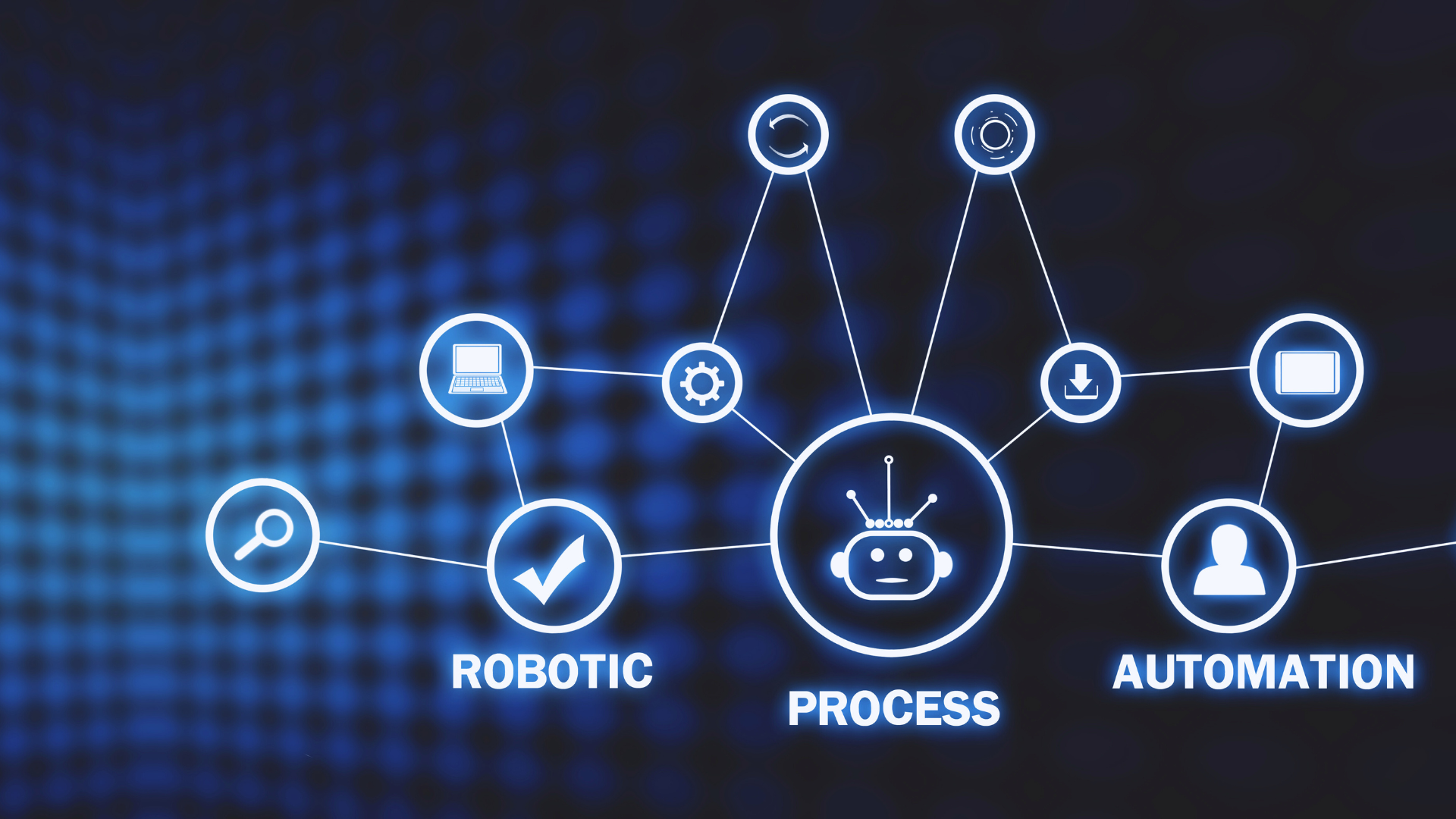
Robotic process automation (RPA) is another key category; it employs software robots to handle manual tasks by mimicking human actions. This approach is cost-effective and significantly reduces human error. Intelligent automation (IA) combines these technologies with AI capabilities, facilitating advanced decision-making processes through data analysis and predictive algorithms.
The Role of AI and Machine Learning
Artificial intelligence (AI) and machine learning play crucial roles in enhancing automation. They enable systems to learn from data patterns, allowing for improved decision-making. AI can analyse vast amounts of data much quicker than humans.
Machine learning algorithms adapt over time, providing even more accurate predictions and recommendations. Businesses that integrate AI into their automation processes can achieve better insights, develop predictive models, and automatically adjust workflows as needed. This leads to enhanced customer experiences and increased operational efficiency.
In addition, AI’s impact extends across diverse industries. For instance, in field service operations, AI-powered field service management software tends to enable smarter scheduling, predict equipment failures, and equip technicians with real-time guidance (learn about what is field service management? here). These capabilities often help organisations run more efficient operations and deliver reliable service outcomes.
Integration of Automation Tools
The successful integration of automation tools within existing business systems is essential for maximising benefits. Various automation software solutions exist, each catering to specific business needs. Companies need to evaluate their processes and select the appropriate tools that align with their objectives.
Establishing a seamless connection between different tools can significantly improve data flow and collaboration across departments. Implementing APIs and middleware can facilitate the integration of disparate platforms. Effective integration minimizes disruption and maximises productivity, allowing teams to focus on strategic initiatives rather than routine tasks.
Improving Operational Efficiency
Automating business processes significantly enhances operational efficiency. Through streamlining workflows, improving customer interactions, and enabling effective data management, organisations can maximise productivity and reduce operational costs.
Streamlining Business Processes
Process automation eliminates repetitive tasks that consume time and resources. By integrating workflow automation, businesses can create seamless operations across departments. Utilizing business process automation tools makes it easier to manage difficult workflows and improve overall operational efficiency. This implementation can ensure that every aspect of the business is prepared for peak performance.
For instance, automated task assignments ensure that employees focus on high-value activities rather than administrative duties. This shift not only accelerates project timelines but also decreases the likelihood of errors commonly associated with manual data entry.
In addition, automation tools can monitor workflow in real-time, allowing for quick adjustments when bottlenecks arise. This proactive approach enhances agility!
Wondering what is the importance of business agility? It offers a core competitive advantage in today’s fast-paced and constantly evolving business environment. Being agile means a business can respond to any changes with speed and flexibility.
Impact on Customer Experience
An efficient operation directly influences the customer experience. Automation enables businesses to respond faster to customer inquiries and issues, leading to higher satisfaction rates.
For example, chatbots can handle routine queries instantly, allowing staff to dedicate time to complex problems. This not only improves response times but also fosters a positive relationship with customers.
Personalised interactions become more manageable through data-driven insights. By automating data analysis, companies can tailor their offerings to individual preferences, enhancing customer loyalty.
Effective Data Management
Efficient data management is crucial for informed decision-making. Automation simplifies data entry and management processes, reducing the risk of errors.
Organisations can implement systems that automatically capture and analyse data from various sources. This results in real-time insights that inform strategy and operational adjustments.
Furthermore, automated data management helps maintain compliance with regulations by ensuring accurate record-keeping. This reduces the administrative burden on employees, allowing them to focus on more strategic activities.
In summary, automating data management contributes to a seamless flow of information that enhances overall operational efficiency.
Strategic Advantages
Business automation provides several strategic advantages that can significantly impact an organisation’s efficiency and profitability. By focusing on cost savings, enhancing marketing efforts, and sustaining compliance, businesses are poised to achieve sustainable growth.
Cost Savings and Scalability
Business automation leads to substantial cost savings by reducing the need for manual labour. Automated processes lower operational costs through improved efficiency and decreased human error. For example, an AI Fashion Model Generator reduces the costs of photoshoots and saves businesses time while ensuring consistency throughout their content.
Automating repetitive and time-consuming tasks allows employees to focus on more complex responsibilities that add value. This shift not only enhances productivity but also improves employee satisfaction.
Scalability is another critical benefit. Automated systems can easily adapt to increasing workloads without a corresponding rise in costs. As businesses grow, they can implement solutions that scale seamlessly, ensuring they meet demand without compromising service quality.
Enhancing Marketing and Sales Efforts
Marketing automation is essential for streamlining campaigns and optimising engagement. It enables organisations to run targeted marketing campaigns that can dramatically improve conversion rates.
Through tools that facilitate email marketing, businesses can personalise communications based on customer behaviour and preferences. Automation ensures timely follow-ups and nurturing of leads, ultimately leading to higher sales.
Utilising analytics dashboards, organisations can also measure the effectiveness of their campaigns. This data-driven approach allows for continuous improvement and adaptation, ensuring that marketing strategies remain relevant and effective.
Sustaining Compliance and Quality Control
Compliance with regulations is critical in today’s business environment. Automation assists in maintaining compliance by standardising processes and ensuring that all actions align with relevant laws and standards.
Automated systems can track changes in regulations and adjust workflows accordingly. This proactive approach minimises risks and associated penalties.
Quality control is equally bolstered by automation. Systematic checks and balances can be integrated into workflows to ensure product and service quality. With automated quality assessments, businesses can achieve consistency, leading to improved customer satisfaction and retention.
Maximising Human Potential
Business automation establishes a framework that fosters enhanced collaboration, supports superior customer relationships, and facilitates informed decision-making within organisations. These aspects directly contribute to optimising the capabilities of the workforce.
Boosting Employee Collaboration and Training
Automation tools can streamline employee training and onboarding processes. By utilising Learning Management Systems (LMS), organisations can deliver tailored training programs that are available anytime, allowing staff to learn at their own pace.
This flexibility improves engagement and retention of knowledge. Automated systems can also track progress and provide managers with insights into employee development needs.
When collaboration tools such as project management software are employed, employees can work together more effectively. These platforms centralise communication and document sharing, which reduces misunderstandings and enhances teamwork.
Elevating Customer Support and Relationship Management
Automated customer relationship management (CRM) systems play a crucial role in enhancing customer interactions. They enable businesses to gather and analyse customer data, leading to more personalised service.
Automation allows for timely follow-ups and responses, significantly increasing customer satisfaction. Providing support through chatbots can also address basic queries swiftly, allowing human agents to focus on complex issues.
This combination results in a more efficient support structure. A well-implemented CRM system also helps track customer journeys, which is essential for maintaining strong relationships.
Leadership and Decision Making
Business automation equips C-suite executives with data analytics and real-time performance metrics. These tools are instrumental in guiding strategic decisions within the organisation.
Having access to accurate, processed data allows leaders to make informed choices quickly. This agility is vital in today’s fast-paced market where responsiveness can influence competitive advantage.
Additionally, automation reduces manual tasks, freeing up time for leaders to focus on innovative strategies and organisational growth. By streamlining reporting and analytics, executives can better communicate objectives and outcomes across departments.








Leave A Comment