
Businesses facing rapid technological change must prioritise agility and continuous learning to remain competitive. Adapting requires embracing new tools quickly, investing in employee training, and fostering a culture open to innovation.
They need to monitor emerging trends closely and be ready to adjust strategies without delay. Companies that integrate technology thoughtfully while balancing operational stability are more likely to succeed.
Understanding customer needs and leveraging data for informed decisions also play a key role. This approach helps businesses stay relevant and responsive as technology evolves.
Understanding the Impact of Rapid Technological Change
Rapid technological change reshapes industries by introducing new tools and processes that can alter business models and operations. Companies must recognise both the opportunities and risks involved in keeping pace with innovation.
Key Drivers of Technological Advancements
Several factors accelerate technological progress. Increased investment in research and development (R&D) fuels breakthroughs in fields like artificial intelligence, biotechnology, and renewable energy.
Global connectivity also facilitates faster knowledge sharing. Cloud computing and open-source platforms enable developers worldwide to collaborate and innovate more rapidly than before.
Consumer demand pushes companies to adopt new technology. Customers expect faster, more personalised services, driving businesses to integrate digital tools and automation to meet these needs.
Challenges Presented by New Technologies
Adopting new technologies can strain resources and expertise. Employees may require upskilling, and legacy systems might need costly upgrades or replacement.
Security risks also rise with the use of complex digital tools. Cyber threats demand robust protection measures, increasing operational costs and complexity.
Additionally, rapid change can create uncertainty in strategy and markets. Companies must adjust quickly or risk losing a competitive advantage to more agile rivals.
Potential Benefits for Businesses
Businesses that harness technological advancements often see improved efficiency and productivity. Automation reduces manual tasks, allowing staff to focus on higher-value work.
New technologies can open markets and enable innovative products or services. For example, data analytics helps companies understand customer behaviour, improving decision-making and marketing.
Technology trends also support better customer experiences. Online platforms, AI-powered chatbots, and personalised content boost engagement and satisfaction, driving growth.
Strategic Approaches to Adapting Technology
Businesses must focus on aligning new technology with core objectives, carefully evaluate the value of investments, and manage implementation to minimise disruption. These targeted strategies enable effective decision-making and maximise returns.
Aligning Technology with Business Goals
Adapting technology starts with a clear understanding of business goals. Companies should identify which technologies directly support key priorities such as increasing efficiency, improving customer experience, or expanding into new markets.
It is essential to map technology initiatives to specific outcomes. For example, automating routine tasks may reduce operational costs, while adopting data analytics could enhance strategic planning. Alignment prevents wasted resources on technology that does not drive measurable progress.
Regular reviews of business goals alongside technological trends help maintain relevance. Collaboration between IT and business units ensures technology decisions consistently support overarching objectives, strengthening decision-making processes.
Evaluating Technology Investment
Effective technology investment requires rigorous evaluation of costs, benefits, and risks. Businesses should conduct cost-benefit analyses that include upfront expenses, ongoing maintenance, and potential impacts on productivity.
Investment decisions must consider scalability and flexibility. Technologies that adapt to future needs reduce the risk of obsolescence and additional costs.
Decision-making tools such as scoring matrices or ROI calculators can help prioritise investments. Including cross-functional input ensures diverse perspectives on technology’s strategic value.
Risk assessment should address cybersecurity, vendor stability, and integration complexity. Balancing innovation with risk management increases the chance of successful technology adoption.
Managing Implementation and Integration
Careful planning is critical during technology implementation to minimise operational disruption. Companies should establish clear timelines, milestones, and responsibilities at the outset.
Integration with existing systems requires detailed technical evaluations. Ensuring compatibility prevents data silos and workflow interruptions.
Training employees on new technology is vital for adoption and productivity. Providing ongoing support addresses issues quickly and maintains momentum.
Monitoring performance after implementation allows businesses to measure success against initial goals. Adjustments based on feedback help refine processes and align technology more closely with business needs.
Fostering a Culture of Continuous Learning and Innovation
Adaptation to rapid technological change requires deliberate strategies that promote ongoing skill development and creative problem-solving. This approach involves proactive learning, an environment that supports new ideas, and mechanisms to help employees adjust efficiently.
Encouraging Continuous Learning
Businesses should embed continuous learning into everyday work. This includes regular training sessions, access to e-learning platforms, and time allocated for skill development.
Leaders can set examples by participating in training themselves and recognising employees who upgrade their skills. Using learning management systems (LMS) enables tracking progress and tailoring content to individual needs.
Offering incentives like certifications or career progression linked to learning can increase engagement. Continuous learning prepares workers for current challenges and future roles, reducing skill gaps in fast-changing industries.
Building a Culture of Innovation
Creating a culture of innovation means encouraging employees to generate and test new ideas without fear of failure. Organisations can implement innovation labs, hackathons, and idea-sharing platforms to foster collaboration and creativity.
Management should reward innovative initiatives and integrate innovation goals into performance reviews. Transparent communication about the value of experimentation helps employees feel supported.
Companies often assign cross-functional teams to combine diverse perspectives, which improves problem-solving. A clear process for turning ideas into projects ensures innovation is practical and measurable.
Supporting Employee Adaptability
Supporting adaptability involves helping employees respond quickly and confidently to technological shifts. Training should not only teach new tools but also build skills in critical thinking and resilience.
Employers might offer coaching, mentoring, and regular feedback sessions to guide employees through transitions. Providing flexible work arrangements can ease stress during change periods.
Organisations should also create contingency plans that allow for rapid role adjustments and task reallocations. Adaptable employees maintain productivity and contribute to the company’s ability to stay competitive.
Leveraging Automation and Artificial Intelligence for Business Growth
Businesses that embrace automation and artificial intelligence (AI) can streamline operations, reduce costs, and improve decision-making. These technologies offer scalable solutions that adapt to changing demands while enhancing engagement with customers through personalised experiences.
Integrating Automation into Operations
Automation focuses on replacing repetitive, manual tasks with technology to improve efficiency. It often begins with processes like inventory management, invoicing, or scheduling. By automating these, businesses reduce human error and free staff for higher-value activities.
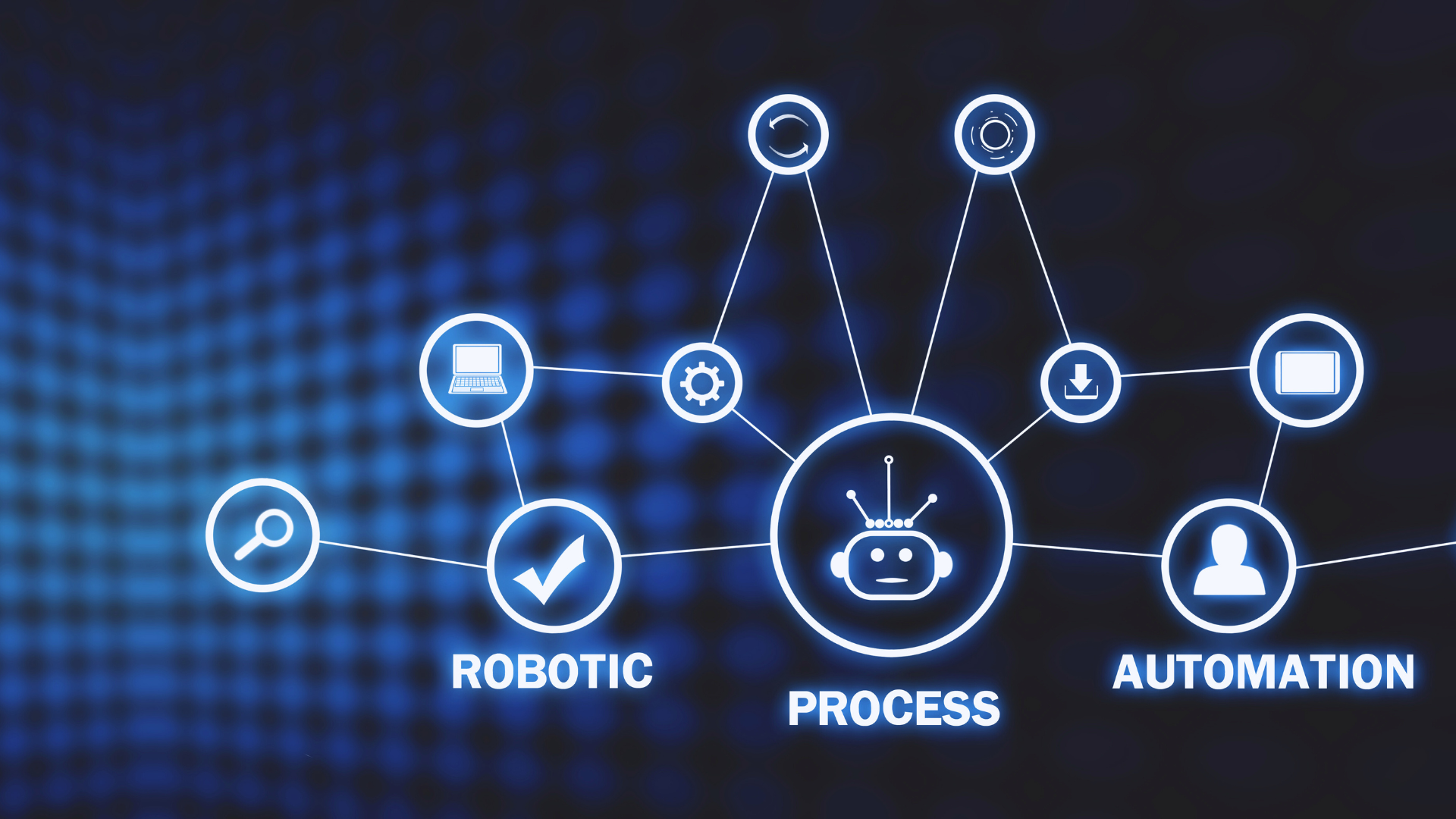
Robotic process automation (RPA) tools can handle data entry or report generation, saving time and cutting operational costs. Successful integration involves mapping workflows carefully and selecting automation tools compatible with existing systems to ensure smooth deployment.
Automation also supports compliance by standardising procedures and maintaining logs for audits. This reduces risks while helping companies scale operations without proportionally increasing headcount.
Adopting Artificial Intelligence Solutions
AI enables businesses to analyse large datasets for trends, forecasts, and actionable insights. Machine learning models can predict customer behaviour, optimise supply chains, or detect fraud in real time.
Implementing AI requires clear objectives and data readiness. Companies should prioritise use cases that offer measurable returns, such as demand forecasting or predictive maintenance. Selecting AI platforms with user-friendly interfaces can accelerate adoption without relying heavily on specialised staff.
Ongoing monitoring of AI outputs ensures decisions remain accurate and unbiased. Combining AI with human expertise enhances trust and drives better business outcomes.
Enhancing Customer Experience Through Technology
Improving customer experience (CX) is a core benefit of AI and automation. Chatbots powered by AI provide 24/7 support, handling routine queries quickly and freeing human agents for complex issues.
Personalisation engines analyse customer data to offer tailored recommendations, boosting satisfaction and sales. Automated feedback collection enables companies to respond promptly to concerns.
Technology also supports multichannel engagement, allowing seamless communication via social media, email, or apps. Businesses that leverage these tools gain a competitive edge by delivering faster, more relevant customer interactions.








Leave A Comment